
Every event planner knows the scramble to find common time for a corporate retreat can stall progress and drain energy fast. Efficient scheduling is critical, especially when coordinating multi-day gatherings across busy American teams. Embracing flexible scheduling empowers participants to select times and adapt plans, reducing communication delays while increasing group involvement. This article uncovers practical strategies and proven frameworks that help North American organizers maximize participation and streamline complex retreat logistics.
Table of Contents
- Flexible Scheduling Defined And Debunked
- Key Variations And Approaches Explained
- How Flexible Scheduling Tools Work
- Benefits For Multi-Day Event Organizers
- Risks Of Rigid Scheduling And What To Avoid
Key Takeaways
| Point | Details |
|---|---|
| Flexible Scheduling Enhances Engagement | Participant-driven scheduling fosters higher engagement and satisfaction compared to rigid models. |
| Dynamic Adjustments Are Essential | Real-time modifications allow planners to respond to participant needs and unexpected changes effectively. |
| Utilizing Advanced Tools Streamlines Coordination | Centralized, automated scheduling tools reduce administrative burdens and enhance collaborative planning. |
| Emphasizing Adaptability Reduces Risks | Flexible scheduling minimizes the pitfalls of rigid structures, leading to more productive event experiences. |
Flexible Scheduling Defined and Debunked
Flexible scheduling is a strategic approach that empowers event planners to reimagine traditional time management constraints. Unlike rigid planning models, this method allows participants to adapt scheduling parameters dynamically, creating more responsive and collaborative event experiences.
At its core, flexible scheduling represents a paradigm shift from fixed time blocks to adaptive, participant-driven coordination. Work scheduling research reveals that flexible approaches can significantly reduce scheduling conflicts and improve participant engagement by providing greater autonomy.
Key characteristics of flexible scheduling include:
- Participant-driven time selection
- Dynamic date range adjustments
- Reduced communication overhead
- Enhanced group coordination efficiency
- Personalized scheduling preferences
The fundamental challenge in event planning isn't just finding common availability, but understanding individual constraints. Flexible scheduling transforms this process by inverting traditional scheduling models. Instead of asking participants when they ARE available, modern approaches inquire about when they are NOT available—a subtle yet revolutionary approach.
Student experiences further validate this approach. Flexible learning scheduling studies demonstrate that adaptable time management increases participant satisfaction and engagement across diverse group settings.
Pro tip: Always communicate the flexible scheduling framework clearly to participants, setting explicit expectations about the collaborative selection process.
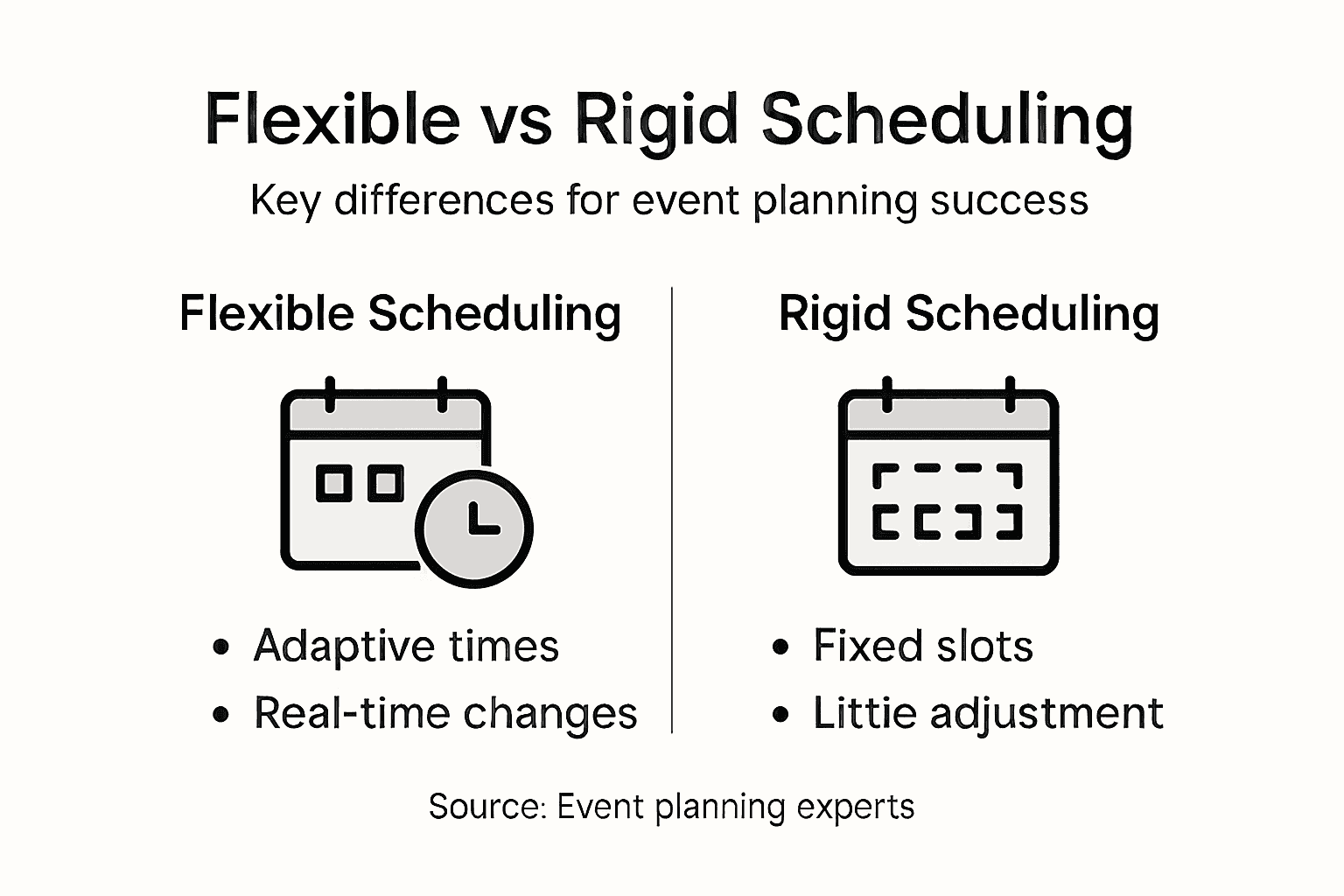
Here's a comparison of flexible and rigid scheduling approaches for event planning:
| Criteria | Flexible Scheduling | Rigid Scheduling |
|---|---|---|
| Decision-Making | Collaborative, participant-led | Top-down, organizer-controlled |
| Adaptability | Adjusts to changing needs | Fixed, less responsive |
| Engagement | High, promotes involvement | Lower, may stifle participation |
| Risk Management | Built-in contingency options | Limited flexibility for changes |
| Administrative Effort | Reduced via automation tools | Higher manual coordination |
Key Variations and Approaches Explained
Flexible scheduling isn't a one-size-fits-all solution but a nuanced approach with multiple strategic variations. Event planners can leverage different models to accommodate diverse participant needs and organizational constraints, creating more dynamic and responsive planning frameworks.
Flexible scheduling strategies encompass multiple dimensions that go beyond traditional time management. These variations include adjustments across several critical parameters:
- Time Flexibility: Allowing participants to propose and adjust scheduling windows
- Location Independence: Supporting remote and hybrid participation options
- Content Adaptability: Modifying event structure based on participant feedback
- Pace Customization: Enabling self-directed engagement rates
- Decision-Making Fluidity: Promoting collaborative planning processes
The complexity of modern event planning demands sophisticated approaches. Academic event coordination reveals that successful flexible scheduling requires understanding institutional priorities and participant constraints. Academic event planning research highlights the importance of creating adaptive frameworks that can manage overlapping calendars and decentralized decision-making.
Event planners can implement flexible scheduling through several practical approaches. These include collaborative role assignments, dynamic date range selections, and purpose-driven event design that prioritizes participant engagement over rigid structural constraints.
Flexible scheduling transforms event planning from a rigid, top-down process into a collaborative, participant-centered experience.
Pro tip: Design your flexible scheduling framework with built-in communication channels that allow real-time adjustments and transparent participant input.
How Flexible Scheduling Tools Work
Flexible scheduling tools represent a revolutionary approach to event coordination, transforming complex planning processes into streamlined, intuitive experiences. These advanced platforms go beyond traditional calendar management, providing sophisticated mechanisms for collaborative decision-making and participant engagement.
Modern scheduling technologies integrate multiple scheduling needs into unified systems that automate workflows and prevent potential conflicts. The core functionality typically includes several critical components:
- Centralized Communication: Consolidating participant availability and preferences
- Real-Time Synchronization: Updating schedules instantly across all participants
- Conflict Prevention: Automatically identifying and highlighting scheduling overlaps
- Customizable Permissions: Enabling different access levels for various stakeholders
- Dynamic Reporting: Generating insights about scheduling patterns and engagement
The underlying mechanism of flexible scheduling tools focuses on reducing administrative burdens while maximizing participant convenience. Event scheduling software centralizes event requests, approvals, and resource management into comprehensive platforms that support efficient communication and adaptable workflows.
Effective scheduling tools transform complexity into clarity, turning potential chaos into organized collaboration.
Key technological innovations enable these tools to support diverse event types, from corporate retreats to academic conferences. By prioritizing user experience and providing intuitive interfaces, modern scheduling platforms democratize event planning, making sophisticated coordination accessible to everyone.
Pro tip: Select scheduling tools that offer mobile accessibility and real-time updates to ensure maximum participant engagement and flexibility.
Below is a summary of how flexible scheduling tools improve event coordination:
| Tool Feature | What It Enables | Business Value |
|---|---|---|
| Real-Time Synchronization | Instant updates for participants | Fewer misunderstandings |
| Centralized Communication | One place for all event details | Streamlined coordination |
| Dynamic Reporting | Tracks engagement and conflicts | Better data-driven decisions |
| Customizable Permissions | Controls access for stakeholders | Enhanced security and oversight |
Benefits for Multi-Day Event Organizers
Multi-day events demand sophisticated planning strategies that go beyond traditional single-day scheduling approaches. Event organizers face unique challenges in maintaining participant engagement, managing complex logistics, and creating seamless experiences across multiple days and diverse activities.
Multi-day conference planning enables event professionals to design more dynamic and responsive event structures. The key benefits for organizers include:
- Adaptive Scheduling: Ability to modify agendas in real-time
- Enhanced Participant Engagement: Creating more interactive and personalized experiences
- Reduced Administrative Overhead: Streamlining communication and coordination processes
- Improved Resource Management: Optimizing space, time, and participant allocation
- Comprehensive Insights: Generating detailed analytics about participant interactions
Flexible scheduling transforms multi-day events from rigid, predetermined experiences into dynamic, participant-driven gatherings. By incorporating strategic breaks, networking opportunities, and responsive design elements, organizers can create more meaningful and productive event environments.
Successful multi-day events are not about controlling every moment, but about creating frameworks that allow organic collaboration and participant-driven experiences.
The most effective multi-day event strategies prioritize participant needs over logistical constraints. This approach requires a fundamental shift from top-down planning to collaborative, adaptive event design that respects individual preferences and organizational goals.
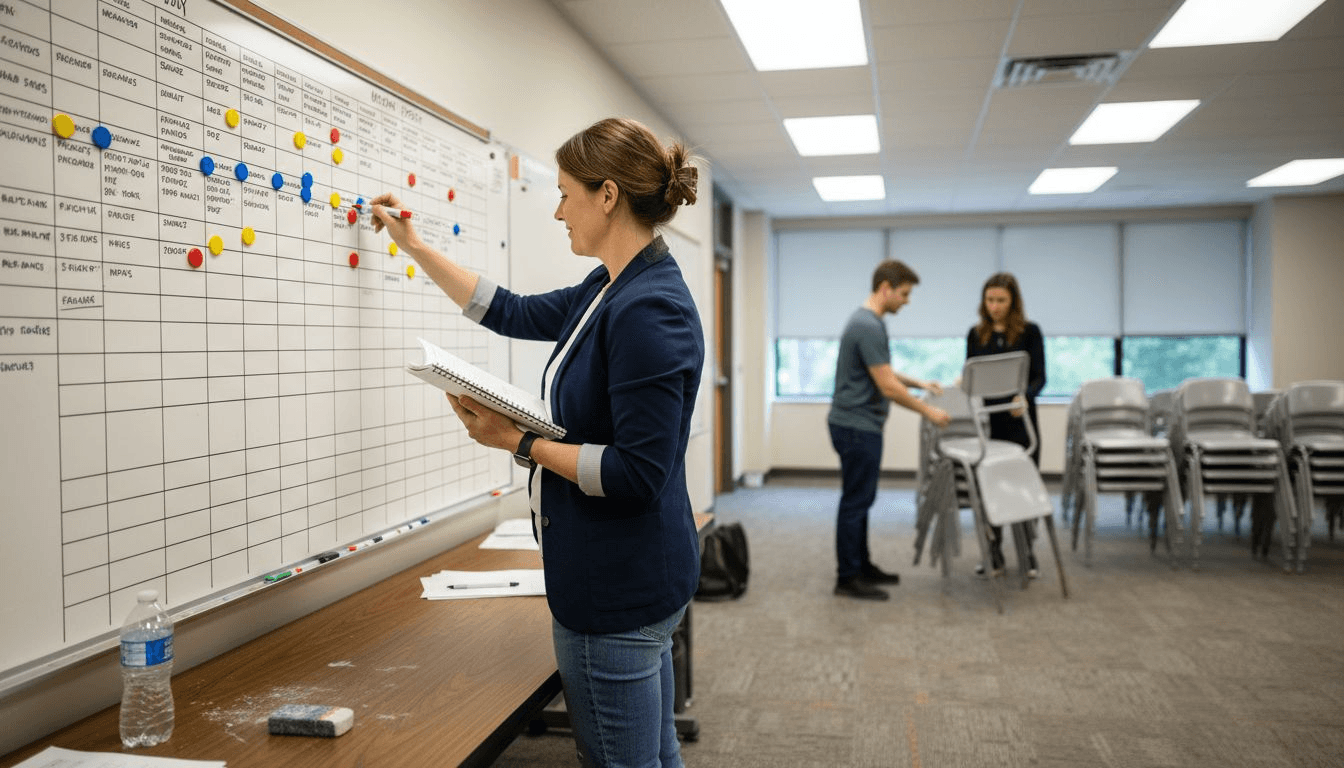
Pro tip: Build multiple contingency options into your multi-day event schedule, allowing for real-time adjustments and unexpected participant preferences.
Risks of Rigid Scheduling and What to Avoid
Rigid scheduling can transform potentially dynamic events into logistical nightmares, creating unnecessary stress and limiting the potential for meaningful participant experiences. Event planners who maintain inflexible approaches often find themselves fighting against unpredictability instead of working with it.
Event risk management research highlights critical challenges associated with traditional scheduling models. The most significant risks include:
- Reduced Adaptability: Inability to respond to unexpected changes
- Participant Disengagement: Lower interaction and motivation levels
- Resource Misallocation: Inefficient use of time and venue capabilities
- Communication Breakdowns: Limited channels for real-time adjustments
- Increased Organizational Stress: Constant pressure to maintain predetermined structures
Understanding the potential pitfalls of rigid scheduling is crucial for event success. Proactive risk management strategies emphasize the importance of maintaining flexibility throughout the event planning and execution process.
Successful event planning is about creating frameworks that can breathe and adapt, not constructing immovable monuments to predetermined schedules.
The most effective event organizers recognize that schedules are tools, not constraints. They develop strategies that allow for continuous assessment and real-time modifications, ensuring that participant needs and unexpected circumstances can be accommodated smoothly.
Pro tip: Always build buffer time and alternative scenarios into your event schedule, creating built-in flexibility that allows for seamless adjustments.
Discover How Flexible Scheduling Gets Easier with WhenNOT
The article highlights the stress and complexity that come from rigid event scheduling and the power of flexible scheduling to improve participant engagement and reduce administrative burdens. Challenges like accommodating multi-day events, managing last-minute changes, and promoting collaborative decision-making require solutions that prioritize dynamic date range adjustments and participant-driven planning. WhenNOT directly addresses these pain points by using an innovative inverse scheduling method that asks participants when they are unavailable instead of when they are free. This unique approach simplifies coordination, eliminates endless back-and-forth communication, and suits any event size or complexity.
Why struggle with traditional scheduling when you can embrace flexibility today?
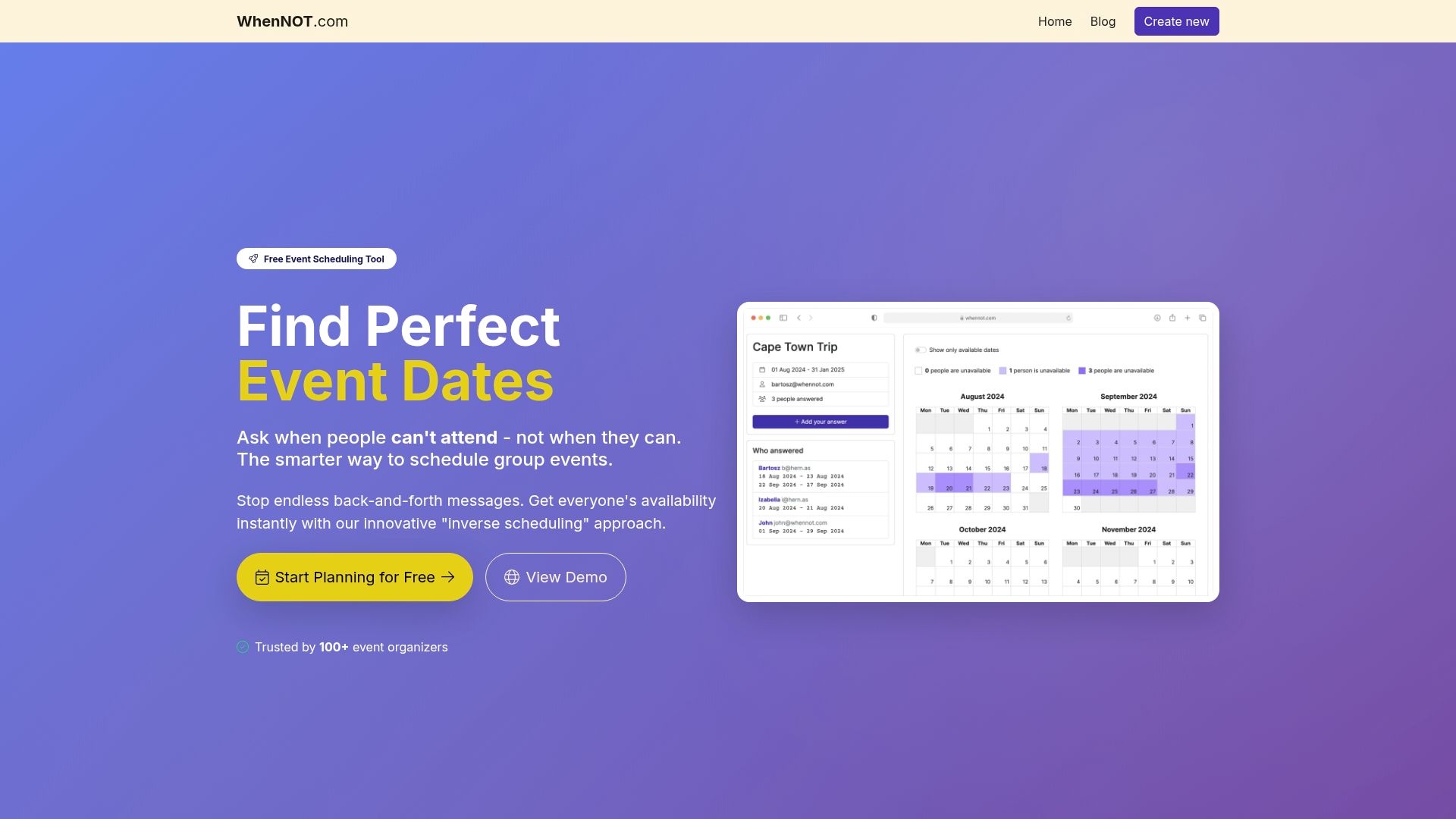
Experience firsthand how WhenNOT makes group event planning effortless, especially for multi-day or flexible date events. Create your event, set a date range, and let participants mark their busy times without needing sign-ups or accounts. The tool streamlines communication and reveals the best dates visually so you can finalize your plans faster. Explore flexible scheduling benefits that match the article's proven strategies at WhenNOT Scheduling Solutions and elevate your event planning success now.
Frequently Asked Questions
What is flexible scheduling in event planning?
Flexible scheduling is a participant-driven approach that allows for dynamic adjustments to event timing and organization, moving away from rigid time blocks to accommodate individual availability and preferences.
How does flexible scheduling improve participant engagement?
Flexible scheduling enhances participant engagement by allowing individuals to communicate their availability and preferences, leading to a more collaborative and responsive event experience.
What are the key benefits of using flexible scheduling tools?
Flexible scheduling tools centralize communication, allow for real-time updates, automate conflict prevention, and generate data-driven insights, which streamline the event coordination process and improve overall efficiency.
What risks are associated with rigid scheduling in event planning?
Rigid scheduling can lead to reduced adaptability, participant disengagement, inefficient resource allocation, communication breakdowns, and increased organizational stress, ultimately impacting the success of an event.