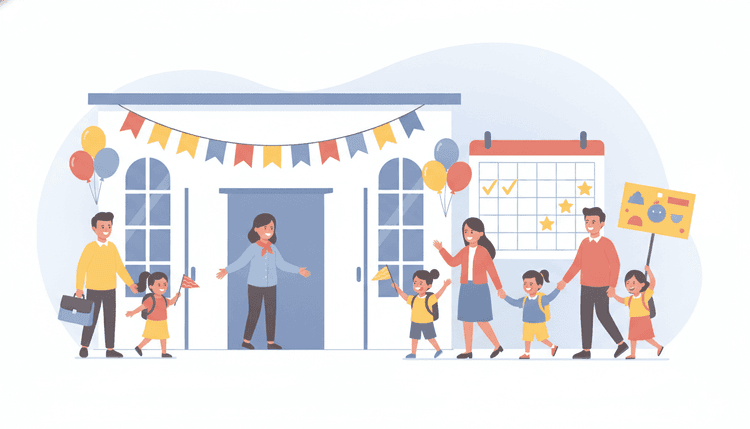
Back-to-school season brings more than new backpacks and fresh notebooks. It brings the chance to set the tone for your entire school year through events that connect families, teachers, and students from day one.
A 2026 National PTA survey found that schools hosting at least three community events in the first month of school saw 28% higher parent engagement for the rest of the year. The events you plan now create the foundation that keeps families involved through June.
This guide covers the best back-to-school event ideas for 2026, from welcome nights and fundraisers to volunteer coordination and inclusive planning. Every idea includes practical details so you can move from inspiration to action fast.
Why Back-to-School Events Build Community
Quick answer: Back-to-school events create early connections between families, teachers, and students that carry through the entire school year. Schools that invest in community events early see stronger parent involvement, better attendance, and happier kids.
The first few weeks of school shape how families feel about the year ahead. A strong welcome event tells parents "this school values your involvement" before homework stress and busy schedules take over.
Here is what school events accomplish:
- Break the ice. New families meet established ones. Shy students find friends. Parents connect faces to names they hear at dinner.
- Build trust. When parents see teachers and administrators in a casual setting, they feel more comfortable reaching out later about academic concerns.
- Set expectations. Events like orientation nights and meet-the-teacher sessions lay the groundwork for communication all year.
- Create belonging. Students who feel connected to their school community attend more regularly and perform better academically. A 2026 Child Mind Institute study confirmed that social belonging in the first month of school predicts engagement through the entire year.
The best school events are simple, welcoming, and fun. You do not need a massive budget. You need good timing, clear communication, and a way to get everyone on the same page about dates.
Back-to-School Night Ideas
Quick answer: Back-to-school nights welcome families into the school building and set the stage for a productive year. The best formats combine information sharing with social interaction so parents leave feeling informed and connected.
Meet-the-Teacher Events
Meet-the-teacher nights are the single most important back-to-school event. They give parents a face and a handshake (or a friendly wave) to associate with the person guiding their child every day.
How to run a great meet-the-teacher event:
- Stagger arrival times by grade level or last name to avoid long lines and crowded hallways.
- Set up each classroom with a brief teacher introduction (5 minutes), a quick overview of the year's curriculum, and time for parents to ask questions.
- Provide name tags for parents and teachers. Include the student's name and grade so teachers can connect families to faces.
- Add a scavenger hunt for kids. While parents meet teachers, students follow a map around the school, checking off locations like the library, gym, cafeteria, and main office. This familiarizes them with the building and keeps them busy.
- End with refreshments in a common area so parents can mingle.
For a deeper look at structuring events like this, check out this event planning workflow and simple framework for organizing any event.
School Supply Drives
School supply drives serve a dual purpose: they stock classrooms and build generosity into the school culture from day one.
Ideas that work:
- Community drop-off days where families bring extra supplies to a central location before school starts.
- "Stuff the Bus" events where a school bus parks in a public spot (grocery store parking lot, community center) and families fill it with donations.
- Wish-list matching where each teacher posts a classroom wish list and families claim items online.
- Supply swap tables where families bring gently used items their kids have outgrown (binders, backpacks, calculators) for other families to take.
Welcome-Back Socials
Welcome-back socials focus purely on fun. No curriculum overviews, no paperwork. Just families, food, and a chance to reconnect.
Popular formats:
- Ice cream social: Simple, low-cost, and universally loved. Set up toppings stations and let families serve themselves. Cost: $1 to $3 per person.
- Outdoor movie night: Show a family-friendly movie on the school field or in the gym. Families bring blankets and snacks.
- School carnival: Set up game booths, face painting, and a bounce house. Charge small amounts per game or sell an all-access wristband as a light fundraiser.
- Cultural potluck: Families bring a dish representing their heritage. Add a map display showing where school families come from. This works especially well for diverse school communities.
PTA and Parent Volunteer Event Ideas
Quick answer: PTA events energize the parent community and create a pipeline of volunteers for the year ahead. The best PTA events combine socializing with a clear call to action: sign up, show up, and stay involved.
Orientation Day Activities
Orientation day is your first impression. Make it count.
- New family welcome breakfast: Host a separate event for families new to the school. Pair each new family with a "buddy family" who has been at the school for at least a year. This builds instant connection and gives newcomers someone to ask questions.
- Parent volunteer sign-up fair: Set up tables for each committee or activity (classroom parent, library helper, field trip chaperone, event setup). Make sign-ups simple with QR codes that link to online forms.
- School tour with student guides: Train older students to lead small-group tours for incoming families. Students take pride in the responsibility, and new parents get the inside scoop on everything from drop-off logistics to the best parking spots.
Family Picnic or BBQ
A family picnic or BBQ right before school starts (or during the first week) creates the relaxed, welcoming vibe that formal orientation events sometimes miss.
Planning tips:
- Choose a weekend afternoon so working parents can attend.
- Keep food simple: Hot dogs, burgers, chips, and watermelon. Ask families to bring a side dish or dessert.
- Add activities: Set up lawn games like cornhole, frisbee, and a soccer kick zone. Include a chalk-drawing area for younger kids.
- Invite teachers and staff. Seeing the principal flipping burgers makes families feel the school is approachable.
- Coordinate the date with a scheduling poll. When multiple families, PTA leaders, and school staff need to agree on a date, sending a WhenNOT poll takes the guesswork out. Everyone marks their busy dates, and the best option becomes obvious.
School Fundraiser Ideas That Work
Quick answer: The best school fundraisers in 2026 are active, social, and easy to organize. They raise money while building community rather than asking families to sell products door to door.
Fun Runs and Walk-a-Thons
Fun runs are the highest-grossing school fundraiser category in 2026, averaging $15 to $25 per student in pledges.
How to run one:
- Set a course around the school grounds or a nearby park.
- Students collect per-lap pledges from family and friends using an online pledge page.
- Add music, costumes, and a color run element (colored powder at stations) to make it festive.
- End with popsicles and a celebration for all participants.
Bake Sales and Food Fairs
Bake sales remain a classic for a reason: low overhead, high margins, and everyone loves homemade cookies.
Modern twists for 2026:
- International food fair: Each family contributes a dish from their culture. Charge $1 to $3 per plate. This raises money while celebrating diversity.
- Cupcake wars: Teams of parents and students compete to make the best-decorated cupcakes. Charge for audience tastings and voting.
- Cookie dough or snack box pre-orders: Sell ahead of the event for guaranteed revenue. Deliver at pickup events.
Auction Nights
Silent and live auctions raise significant funds when you secure donated items from local businesses.
What to auction:
- Teacher experiences (lunch with the teacher, principal for a day, extra recess passes)
- Local business gift cards and services
- Handmade class art projects
- VIP parking spots for the school year
- Reserved seating at school performances
Tip: Host the auction during another event (like a dinner or school fair) to boost attendance and bidding energy.
School Event Planning Comparison Table
Quick answer: Use this table to compare school event types by effort, cost, and expected turnout so you pick the right format for your school's resources.
| Event Type | Best For | Budget | Prep Time | Expected Turnout | Difficulty |
|---|---|---|---|---|---|
| Meet-the-Teacher Night | All schools | $100-300 | 2-3 weeks | 60-80% of families | Easy |
| Ice Cream Social | Elementary | $200-500 | 1-2 weeks | 50-70% | Easy |
| School Carnival | Elementary/Middle | $500-2,000 | 4-6 weeks | 40-60% | Hard |
| Fun Run / Walk-a-Thon | All schools | $200-500 | 3-4 weeks | 70-90% of students | Medium |
| Bake Sale | All schools | $50-100 | 1-2 weeks | 30-50% | Easy |
| International Food Fair | Diverse communities | $200-500 | 3-4 weeks | 40-60% | Medium |
| Silent Auction | All schools | $100-300 | 4-6 weeks | 20-40% | Hard |
| Outdoor Movie Night | All schools | $100-400 | 1-2 weeks | 30-50% | Easy |
| Family Picnic / BBQ | All schools | $300-800 | 2-3 weeks | 40-60% | Medium |
| New Family Welcome | New families | $50-200 | 2 weeks | 60-80% of new families | Easy |
| School Supply Drive | Community-wide | $0-100 | 2-3 weeks | Varies | Easy |
| Cultural Potluck | Diverse communities | $50-150 | 2-3 weeks | 30-50% | Easy |
How to Coordinate School Event Schedules
Quick answer: Coordinating school events involves parents, teachers, staff, and sometimes local partners. A group scheduling tool eliminates the email chains and committee meetings it takes to nail down dates that work for everyone.
Polling Parents for the Best Date
The biggest scheduling challenge for school events is finding a date that works for the most families. Working parents, multi-child families, and families with shared custody all have different constraints.
Here is the fastest way to find the best date:
- Create a poll. Go to whennot.com/poll and set the date range for your event window.
- Share the link. Post it in the school newsletter, parent group chat, and classroom communication app. No one needs to create an account.
- Collect responses. Parents mark the dates they are NOT available. WhenNOT generates a heatmap showing which dates work best.
- Pick the winner. Choose the date with the fewest conflicts and announce it.
This process takes 3 to 5 days and replaces weeks of back-and-forth emails. Learn more about different types of event invitations to choose the right communication method for your school community.
Managing Volunteer Shifts
School events need volunteers, and volunteer coordination is where many PTA boards burn out. The key is making sign-ups simple and shifts clear.
Best practices:
- Post shifts online with clear time blocks, roles, and descriptions. Parents should know exactly what they are signing up for.
- Offer variety. Some parents prefer setup (before the crowd arrives). Others prefer cleanup. Some want to run a booth. Give options.
- Send reminders 48 hours and 2 hours before each shift.
- Track who signed up and who showed up. This data helps you plan volunteer needs for future events.
- Thank everyone publicly. A shout-out in the school newsletter or social media goes a long way.
For a full guide on organizing community events like these, check out our complete planning guide for community events.
Tips for Making Your School Event Inclusive
Quick answer: Inclusive school events welcome every family regardless of income, language, ability, or schedule. Small design choices in food, timing, activities, and communication make the difference between an event some families love and one the whole community embraces.
Inclusive events are not harder to plan. They require intentional choices:
- Offer free or low-cost entry. If an event charges admission, provide a way for families to attend without paying (volunteer shifts, donated tickets, or a no-questions-asked free entry option).
- Translate materials. Print flyers, signs, and digital communications in the top languages spoken at your school. Even basic translations show families you see them.
- Consider dietary needs. Label all food with common allergens. Include vegetarian, vegan, and halal options. When in doubt, keep it simple: fruit, chips, and water work for everyone.
- Schedule thoughtfully. Offer events at different times of day across the year. A Saturday morning event reaches different families than a Thursday evening one.
- Provide accessibility. Ensure wheelchair access, quiet spaces for overstimulated kids, and sensory-friendly zones at larger events.
- Welcome non-traditional families. Grandparents raising grandchildren, foster families, and single-parent households are all part of your school community. Use inclusive language in all communications ("families" instead of "moms and dads").
Find the Perfect Date for Your School Event
Ready to schedule your next group event without the headache? Find the perfect dates in minutes with WhenNOT.
FAQ
What are the best back-to-school event ideas for elementary schools?
The best back-to-school events for elementary schools include meet-the-teacher nights, ice cream socials, school carnivals, family picnics, and outdoor movie nights. These formats are simple, family-friendly, and create a welcoming atmosphere for young students and their parents.
How do I plan a back-to-school night on a small budget?
Focus on low-cost, high-impact events like potluck dinners, school supply swaps, or an ice cream social. Ask local businesses for donations, use parent volunteers instead of hired help, and host events on school grounds to avoid venue costs. A great back-to-school night can cost under $200 for an entire school.
How far in advance should I start planning a school event?
For simple events like bake sales or ice cream socials, two weeks is enough. For larger events like carnivals or auction nights, start planning four to six weeks ahead. Begin collecting parent availability as early as possible using a group scheduling tool to lock in the best date.
What are the most profitable school fundraiser ideas?
Fun runs and walk-a-thons are the most profitable school fundraisers in 2026, averaging $15 to $25 per student in pledges. Silent auctions with donated items also generate significant revenue. International food fairs and cupcake wars combine fundraising with community building for strong results.
How do I get more parents involved in school events?
Make involvement easy and flexible. Offer multiple volunteer roles with clear time commitments, communicate through channels parents already use (group chats, school apps, email), and show appreciation publicly. Use a scheduling tool to find event dates that work for the most families rather than picking dates that only work for the planning committee.
What back-to-school events work for middle and high schools?
Older students respond to events that give them ownership and social connection. Club fairs, student-led school tours, mentorship kickoffs, and casual hangout events like food truck nights or outdoor concerts work well. Avoid events that feel too young or forced. Let student councils help plan to increase buy-in.
How do I make school events inclusive for all families?
Offer free or low-cost entry, translate communications into the top languages spoken at your school, label food allergens, provide vegetarian and halal options, ensure physical accessibility, and schedule events at varied times to accommodate different work schedules. Use inclusive language like "families" instead of "moms and dads."
Ready to schedule your next group event without the headache? Find the perfect dates in minutes with WhenNOT.