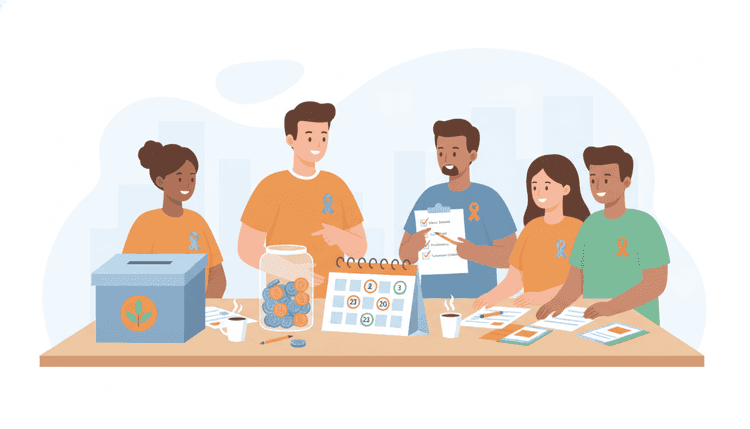
How to Plan a Charity Fundraiser Event: Step-by-Step Guide for 2026
Planning a charity fundraiser event takes more than good intentions. It takes structure, teamwork, and smart timing. Whether you are organizing a gala dinner, a community fun run, or an online auction, this guide walks you through every step so your event raises real money and brings people together for a cause that matters.
What Makes a Successful Fundraiser Event?
A successful fundraiser hits three targets: it raises money, builds community awareness, and creates an experience people want to repeat. The best events start with clear goals, lean on a strong volunteer team, and pick a date that maximizes attendance. Every detail from budgeting to follow-up emails plays a role in turning a good idea into a great fundraiser.
Step 1: Choose Your Fundraiser Type
The type of event you choose shapes everything else, from your budget to your venue to your marketing plan. Pick a format that matches your audience, your cause, and your team's capacity.
Gala Dinners and Formal Events
Gala dinners work well for organizations with an established donor base. They create a premium atmosphere that encourages larger donations and sponsorships. Expect higher upfront costs for venue rental, catering, and entertainment, but the per-guest fundraising potential is significant. A well-run gala can raise tens of thousands of dollars in a single evening through ticket sales, live auctions, and pledge drives.
Best for: Nonprofits with corporate sponsors, alumni associations, and established charities with a donor list.
Community Fun Runs and Walkathons
Fun runs and walkathons bring energy and inclusivity to fundraising. They appeal to a broad audience, including families, fitness enthusiasts, and local businesses looking for sponsorship visibility. Registration fees, pledge-per-mile models, and merchandise sales all contribute to the fundraising total. These events also generate strong social media content, extending your reach beyond the day itself.
Best for: Health-related causes, school fundraisers, and community-focused nonprofits.
Online and Virtual Fundraisers
Virtual fundraisers remove geographic barriers and reduce overhead costs dramatically. Livestream events, virtual auctions, crowdfunding campaigns, and online talent shows let supporters participate from anywhere. They also scale well because you are not limited by venue capacity. The key to a successful virtual event is keeping participants engaged through interactive elements like live Q&A sessions, real-time donation trackers, and breakout activities.
Best for: Organizations with a national or global supporter base, causes targeting younger demographics, and events with limited budgets.
Auction and Raffle Events
Auctions and raffles create excitement and competition that drive donations higher. Silent auctions work well at in-person gatherings, while online auction platforms extend bidding windows and reach more participants. Raffle events have lower barriers to entry because tickets are affordable, which encourages broader participation. The secret to a profitable auction is sourcing high-value donated items, from vacation packages to signed memorabilia, that people genuinely want.
Best for: Schools, churches, sports clubs, and organizations with access to donated goods or experiences.
Step 2: Set a Realistic Budget and Goal
Your budget determines what is possible, and your fundraising goal gives your team something concrete to work toward. Start by listing every expense category, then set a revenue target that accounts for costs and leaves room for your cause to benefit.
Fundraiser Cost Comparison
| Fundraiser Type | Estimated Cost Range | Expected ROI | Planning Time |
|---|---|---|---|
| Gala Dinner | $5,000 - $50,000+ | 3x - 10x | 3 - 6 months |
| Fun Run / Walkathon | $1,000 - $10,000 | 4x - 8x | 2 - 4 months |
| Virtual Event | $200 - $2,000 | 5x - 20x | 1 - 3 months |
| Auction / Raffle | $500 - $5,000 | 3x - 12x | 2 - 4 months |
Budget tips that save money:
- Negotiate donated venues from local businesses or community centers
- Ask vendors for nonprofit discounts on catering and printing
- Use free marketing channels like social media, email newsletters, and community bulletin boards
- Recruit in-kind sponsors who provide goods or services instead of cash
Set your fundraising goal at 2x to 3x your total expenses. This gives you a meaningful surplus for your cause while keeping the target achievable.
Step 3: Build Your Volunteer Team
Your volunteers are the engine of your fundraiser. A well-organized team handles logistics, marketing, donor outreach, and day-of operations so you can focus on the big picture.
Defining Roles and Responsibilities
Assign clear roles early. Overlap and ambiguity lead to dropped tasks and frustrated volunteers. Here are the core roles every fundraiser needs:
- Event Coordinator: Oversees the entire event timeline and makes final decisions
- Finance Lead: Tracks the budget, manages ticket sales, and handles donations
- Marketing Lead: Runs social media, email campaigns, and press outreach
- Logistics Lead: Manages the venue, equipment, catering, and setup/teardown
- Volunteer Manager: Recruits, trains, and schedules all event-day volunteers
- Sponsorship Lead: Identifies and secures corporate and community sponsors
Coordinating Volunteer Schedules
Getting 20 or 30 volunteers aligned on availability is one of the hardest parts of event planning. Email chains get messy, group texts spiral, and someone always gets left out. A group scheduling tool takes the pain out of this process by letting everyone mark their availability in one place.
WhenNOT makes volunteer coordination simple. Share a single link with your team, let everyone mark the dates they are NOT available, and instantly see which days work for the most people. No sign-ups, no accounts, no cost. It is the fastest way to align a large group on meeting times, shift schedules, or planning sessions.
Step 4: Pick the Right Date for Maximum Attendance
The date you choose can make or break your fundraiser. Pick a day that conflicts with a major local event, a holiday weekend, or tax season, and your attendance drops before you even send the first invitation.
Timing factors to consider:
- Avoid holiday weekends and school vacation periods
- Check your community calendar for competing events
- Consider your donor base's seasonal patterns (end-of-year giving spikes in November and December)
- Allow enough lead time for marketing, typically 8 to 12 weeks for large events
- Weekday evenings work well for galas; Saturday mornings suit fun runs and family events
How to Use Group Polls to Find the Best Date
When your planning committee has 10 or more people, finding a date that works for everyone feels impossible. A group poll eliminates the guesswork.
Here is how to do it with WhenNOT:
- Create a free poll with your proposed date range
- Share the link with your committee, key volunteers, and major sponsors
- Everyone marks the dates they cannot attend
- WhenNOT highlights the dates with the fewest conflicts
- Pick the winning date and lock it in
This approach takes minutes instead of days. And because WhenNOT is completely free and requires no sign-ups, even your least tech-savvy volunteers can participate without friction.
Step 5: Promote Your Fundraiser
A great event with poor promotion is a missed opportunity. Start marketing early and use multiple channels to reach different segments of your audience.
Social Media Strategy
Social media is your most cost-effective marketing tool. Build a content calendar that starts 8 to 10 weeks before the event and ramps up as the date approaches.
Week-by-week social media plan:
- Weeks 8-6: Announce the event, share your cause story, and introduce your team
- Weeks 5-4: Spotlight sponsors, share behind-the-scenes content, and open registration
- Weeks 3-2: Feature testimonials, countdown posts, and early-bird incentives
- Week 1: Daily reminders, last-chance messaging, and day-of live coverage
Use hashtags specific to your event and cause. Tag sponsors and partners in every relevant post. Short-form video content on platforms like Instagram Reels and TikTok generates the highest engagement for event promotion.
Community Outreach and Partnerships
Local partnerships multiply your reach without increasing your budget. Approach businesses, schools, churches, and community groups with a clear value proposition: visibility for them, support for your cause.
Partnership opportunities:
- Local restaurants donate a percentage of sales on a designated day
- Gyms and fitness studios promote your fun run to their members
- Schools send flyers home with students
- Local media covers your event as a community interest story
- Businesses provide raffle prizes or auction items in exchange for logo placement
Build a sponsorship packet that outlines tiers (Gold, Silver, Bronze) with specific benefits at each level. Make it easy for businesses to say yes by presenting clear, professional options.
Step 6: Manage Day-Of Logistics
Event day moves fast. A detailed run-of-show document keeps your team aligned and your event on track.
Your day-of checklist:
- Venue setup: Arrive 2 to 3 hours early for decorations, signage, AV equipment, and registration tables
- Volunteer briefing: Hold a 15-minute huddle to review roles, answer questions, and distribute supplies
- Registration flow: Set up a smooth check-in process with name badges, programs, and donation envelopes
- Technology checks: Test microphones, projectors, payment systems, and Wi-Fi before guests arrive
- Emergency plan: Know the venue's emergency exits, have a first aid kit on hand, and designate a point person for unexpected issues
- Documentation: Assign a photographer and videographer to capture moments for post-event marketing
Pro tip: Create a shared group chat for your core team on event day. Quick communication prevents small problems from becoming big ones.
Step 7: Follow Up and Measure Success
The work does not end when the last guest leaves. Your follow-up determines whether one-time donors become repeat supporters.
Within 48 hours:
- Send personalized thank-you emails to every donor, volunteer, and sponsor
- Post event highlights and photos on social media
- Share the total amount raised and how it will be used
Within two weeks:
- Mail formal thank-you letters with tax receipts to major donors
- Debrief with your planning committee to document what worked and what to improve
- Update your donor database with new contacts and giving amounts
Within one month:
- Send a follow-up impact report showing how funds are being deployed
- Begin early outreach for next year's event
- Survey attendees for feedback on the experience
Key Metrics to Track
| Metric | Why It Matters |
|---|---|
| Total funds raised | Primary measure of success |
| Number of attendees | Indicates community engagement |
| Cost per dollar raised | Shows operational efficiency |
| New donor acquisition | Measures growth potential |
| Social media reach | Tracks awareness and brand impact |
| Sponsor satisfaction | Predicts future partnership renewals |
Frequently Asked Questions
How far in advance should I start planning a charity fundraiser?
Start planning 3 to 6 months before your event date for large fundraisers like galas or walkathons. Smaller events like online auctions or raffles can come together in 4 to 8 weeks. The earlier you start, the more time you have to secure sponsors, recruit volunteers, and build marketing momentum.
How much does it cost to organize a charity fundraiser?
Costs vary widely by event type. A virtual fundraiser can launch for under $500, while a formal gala might require $10,000 or more in upfront investment. The key is setting a budget early and aiming for a fundraising goal that is 2x to 3x your total expenses.
What is the most profitable type of fundraiser?
Virtual events typically offer the highest ROI because of low overhead costs. However, gala dinners and auction events can generate the largest total revenue when you have access to high-value donors and corporate sponsors. Match the event type to your audience and resources for the best results.
How do I find sponsors for my fundraiser?
Start with local businesses that align with your cause. Create a professional sponsorship packet with clear tiers and benefits. Reach out personally rather than sending mass emails. Highlight the visibility and community goodwill that sponsorship provides, and follow up within a week of your initial pitch.
How do I coordinate volunteers for a fundraiser?
Use a group scheduling tool like WhenNOT to collect availability from your entire volunteer team in one step. Assign clear roles, create a shared task list, and hold a pre-event briefing so everyone knows their responsibilities.
Ready to schedule your next group event without the headache? Find the perfect dates in minutes with WhenNOT.