Managing a multi-day corporate retreat can feel like trying to solve a puzzle where the pieces keep moving. With participants arriving from different cities, tight schedules, and non-stop activities, even a small oversight in planning can ripple out fast. Thoughtful event security planning is what keeps your retreat on track—protecting people, information, and schedules from unexpected issues before they arise. This guide delivers practical solutions that make efficient scheduling and safety simple, not stressful.
Table of Contents
- Defining Event Security In Planning
- Types Of Event Security Solutions
- Key Roles And Responsibilities
- Risk Management And Legal Requirements
- Common Mistakes And How To Avoid Them
Key Takeaways
| Point | Details |
|---|---|
| Comprehensive Security Planning | Event security requires early identification of risks and strategic planning, covering all aspects of the event from personnel to data privacy. |
| Layered Security Solutions | Implement a mix of staffing, access control, technology, and interagency coordination for comprehensive protection of attendees. |
| Clear Roles and Responsibilities | Define specific roles in the event team to prevent confusion and ensure timely decision-making during emergencies. |
| Thorough Risk Management | Conduct formal risk assessments and establish a written security and risk management plan to address potential hazards and legal obligations. |
Defining Event Security in Planning
Event security isn't just about hiring guards or checking bags at the door. It's a thoughtful, comprehensive approach to identifying threats, protecting attendees, and managing risks before they become problems. For corporate retreats spanning multiple days, security planning starts the moment you decide to hold the event, not when guests arrive at the venue. Think of it as the foundation that everything else builds on, whether you're worried about weather disruptions, logistical mishaps, or actual safety threats.
At its core, event security covers the people attending, the physical spaces they'll occupy, the information you're collecting, and the overall operations keeping everything running smoothly. When you're coordinating a multi-day retreat with dozens or hundreds of participants, you're managing multiple moving parts simultaneously. Consider participants traveling from different locations, needing accommodation coordination, and facing packed schedules across several days. Security planning accounts for all these elements. The CISA offers comprehensive security planning guidance that helps event organizers develop foundational approaches suitable for facilities and events of varying sizes, which can scale from small team gatherings to large corporate functions.
For retreat planners specifically, security planning means asking practical questions upfront. How will you verify who's attending? What information will participants share during registration? How will you protect that data? What happens if someone can't make their scheduled session? How do you handle transportation between venues? Which staff members need background checks? What's your communication protocol if something goes wrong? Addressing these questions early prevents last-minute scrambling and ensures your retreat runs with confidence. When combined with effective event organization strategies, thoughtful security planning becomes invisible to your attendees, creating an experience where people feel safe and included rather than monitored or restricted.
Pro tip: Start your security planning by listing every interaction point where participants share information or move through your event, then work backward to identify where risks exist and how to address them before day one.
Types of Event Security Solutions
Event security solutions fall into several overlapping categories, each addressing different aspects of keeping your retreat safe and organized. The right mix depends on your specific retreat size, location, attendee profile, and identified risks. You're not necessarily choosing one solution over another, but rather layering them strategically to create comprehensive protection. Think of it like building a fence around a property, then adding locks on gates, then installing lighting, then establishing visitor check-in procedures. Each layer serves a purpose.
The most common solutions include staffing, access control, technology, and coordination with local authorities. Staffing involves trained personnel, whether that's private security contractors, hired event staff, or designated internal team members who understand their security responsibilities. Access control means managing who enters restricted areas and when, which could be as simple as checking names against a registration list or using credentials and badges for multi-day events. Technology-based solutions range from surveillance cameras monitoring common areas to communication systems keeping your team connected, and emergency alert systems reaching all participants instantly. Beyond your venue, integrated security coordination between your team, local law enforcement, and venue management creates a unified response if problems arise. Many retreat planners overlook this coordination, assuming the venue handles everything. They don't.
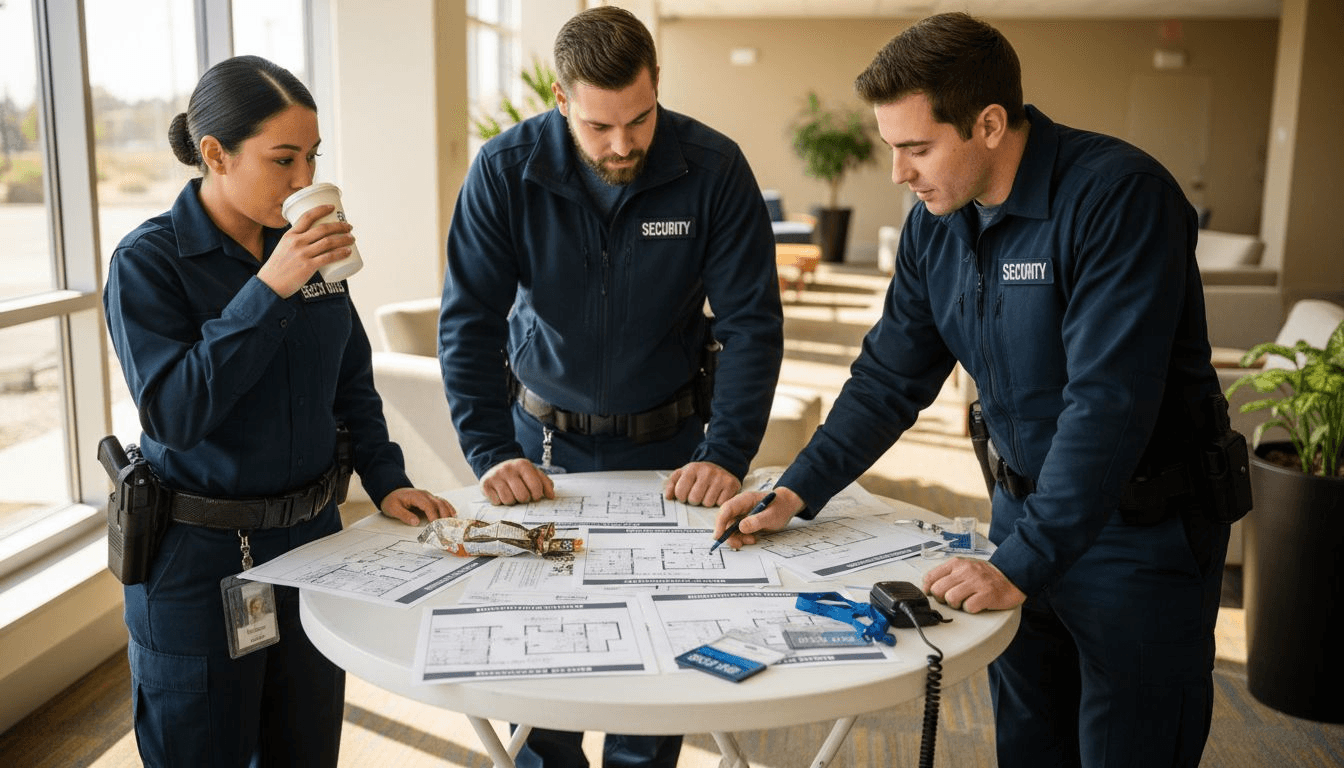
For corporate retreats specifically, practical security solutions often include incident response planning (knowing exactly what to do if something goes wrong), staff training on recognizing threats and responding appropriately, and emergency communication protocols so everyone knows how information flows during a crisis. Protective measures like risk assessments conducted before your event help identify vulnerabilities you might otherwise miss. You might discover that your venue's single exit creates bottleneck risks, or that your medication storage needs better security, or that communication dead zones exist in certain buildings. Identifying these issues during planning prevents scrambling on retreat day. The goal is making smart choices that enhance safety without creating a fortress atmosphere that ruins the retreat experience.
Here is a comparison of key event security solutions and their business impacts for retreat planners:
| Solution Type | Core Function | Business Impact |
|---|---|---|
| Staffing | Onsite personnel & oversight | Boosts safety, assures attendees |
| Access Control | Entry management | Prevents unauthorized access |
| Security Technology | Surveillance, alerts | Rapid incident detection |
| Interagency Coordination | Unified crisis response | Minimizes downtime, liability |
Pro tip: Don't assume your venue's standard security measures match your retreat's needs, request detailed information about their access control systems, emergency protocols, and surveillance coverage, then layer in your own solutions based on what's missing.
Key Roles and Responsibilities
Successful event security depends on clarity. Every person involved needs to know exactly what they're responsible for, who they report to, and what decisions they can make without asking permission. When roles blur or overlap without clear boundaries, small problems escalate because nobody takes ownership. For a multi-day corporate retreat, this structure becomes critical since decisions often need to happen fast and participants are watching how your team handles situations.
Your retreat needs an event leader or coordinator who owns overall decision-making and communication, a safety officer monitoring conditions throughout the event and identifying emerging risks, and crowd managers or designated staff overseeing participant behavior and movement during sessions and transitions. The event leader is your command center, the person other team members and venue staff contact when something unexpected happens. The safety officer actively patrols your retreat spaces, watches for hazards, observes participant interactions, and reports concerns to the leader. Crowd managers keep people flowing safely between sessions, manage bottlenecks at meal times or activities, and respond to immediate issues like conflicts or medical needs. Beyond these core roles, clear role definition ensures accountability throughout your team so everyone knows their boundaries and authority.
Additionally, consider assigning a communications coordinator responsible for internal team messaging and external communication with participants if something changes or requires immediate attention. You might designate a medical response point person if your retreat includes activities with higher risk, or someone specifically trained to handle sensitive situations. When you involve external security personnel or local law enforcement, define their role within your team structure so they're coordinating with your event leader, not operating independently. The critical principle is establishing security personnel responsibilities that include protecting participants ethically while respecting attendee rights and privacy. This isn't about creating an invasive surveillance state, it's about having trained people responsible for specific aspects of safety and knowing who to contact when questions arise.
Pro tip: Create a simple one page role document listing each key person's title, primary responsibilities, who they report to, and their contact information, then share it with your entire team and venue staff before the retreat begins.
Risk Management and Legal Requirements
Risk management isn't about eliminating every possible problem, it's about identifying what could go wrong, assessing how likely and severe those problems are, and deciding how to address them responsibly. For corporate retreats, legal requirements vary by location, venue type, and event scope, but the underlying principle remains constant: you have a duty of care toward your participants. This means taking reasonable steps to protect their safety and privacy. Skip this responsibility, and you expose your organization to liability if something happens that you could have prevented or better managed.
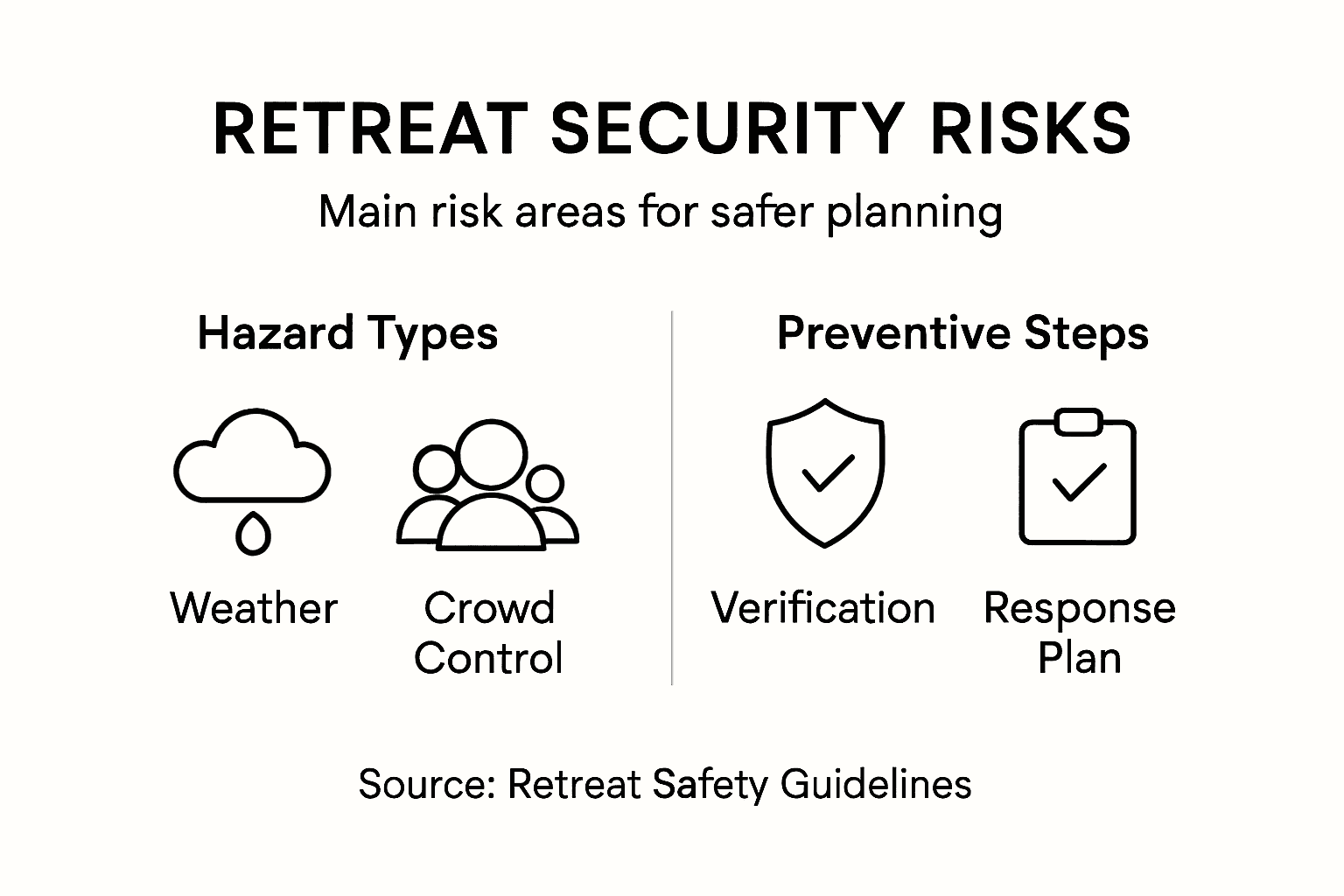
Start with a formal risk assessment before your retreat, documenting potential hazards across multiple categories. Weather disruptions could strand participants or force activity cancellations. Travel and transportation create accident risks. Facility conditions like slippery floors or poor lighting present slip and fall hazards. Group activities involving physical exertion or unfamiliar equipment need safety considerations. Medical emergencies can happen anywhere, anytime. Data collection during registration creates information security risks if not handled properly. Food service involves allergen management and foodborne illness prevention. Comprehensive event safety standards cover emergency planning, crowd management, fire safety regulations, and health considerations that help you meet legal obligations while enhancing overall safety for participants.
Below is a summary of risk assessment categories relevant to retreat security planning:
| Risk Category | Typical Hazards | Example Preventive Measures |
|---|---|---|
| Weather | Storms, heat, cold | Backup plans, forecasts |
| Transportation | Accidents, delays | Confirmed schedules, briefings |
| Facility Conditions | Slips, poor lighting | Inspections, signage |
| Medical | Illness, emergencies | Trained staff, supplies |
| Data Privacy | Information breaches | Secure registration process |
Legal requirements also include incident documentation and reporting protocols. If someone gets injured, becomes ill, or experiences a concerning incident during your retreat, you need a clear process for reporting, documenting what happened, and notifying appropriate parties. Some situations require notifying local law enforcement or health authorities. Insurance companies may require specific documentation. Your organization's legal and compliance teams should review your security plan before the event, not after something goes wrong. Additionally, risk management approaches for events may include threat assessments and coordination protocols depending on your retreat's nature and scale, ensuring you align with any applicable legal frameworks governing event security.
The practical outcome is a written security and risk management plan specific to your retreat that addresses identified hazards, documents your response procedures, and demonstrates that you've thought through potential problems. This document protects both your participants and your organization.
Pro tip: Consult with your organization's legal and insurance teams early in your planning process to understand specific liability exposures and legal requirements, then document every security and safety decision you make in writing.
Common Mistakes and How to Avoid Them
Most retreat security problems don't stem from freak accidents or unforeseeable disasters. They come from predictable mistakes that experienced planners have made repeatedly. Learning what goes wrong helps you protect your retreat before problems happen. The good news is that these mistakes are entirely preventable with forethought and proper planning.
Underestimating attendance and crowd flow tops the list. You estimate 80 people will attend, so you plan for 85. Then 110 show up. Suddenly your registration area becomes a bottleneck, your meal quantities fall short, and your safety team gets overwhelmed managing congestion. The fix: calculate your maximum realistic attendance with a 20 to 25 percent buffer built in. Plan your physical spaces, meal quantities, transportation, and staffing for that larger number. Failing to establish clear communication channels creates chaos when issues arise. Your safety officer discovers a problem but doesn't know who to tell. Someone on your team makes a decision without checking if it conflicts with something else. Attendees don't know what to do if plans change. Solution: establish a clear communication hierarchy before the retreat starts, designate specific communication tools (group chat, radio, email), and brief everyone on how information flows.
Ignoring weather risks and environmental factors is surprisingly common, especially when planning exciting outdoor activities. You schedule a hiking excursion without checking forecast reliability or having indoor backup plans. You don't account for temperature extremes affecting medications some attendees take. The Department of Justice emphasizes that balancing security with event atmosphere requires thorough planning and flexible strategies that address environmental conditions alongside security concerns. Neglecting to assign explicit roles leaves everyone thinking someone else is handling critical tasks. Nobody's officially responsible for medical emergencies, so when one occurs, precious minutes pass before anyone reacts. Assign specific people to specific responsibilities, give them written documentation, and confirm they understand their duties before day one. Insufficient interagency coordination happens when you don't communicate with local law enforcement, the venue's security team, or emergency services about your plans and potential risks. These organizations can offer valuable insights about your location's typical issues and how they prefer to be contacted during emergencies.
Pro tip: Two weeks before your retreat, conduct a full walkthrough with your safety team and key venue staff, testing communication systems, reviewing emergency procedures, and identifying any gaps in your security plan.
Simplify Secure Retreat Planning with Smarter Scheduling
Planning secure multi-day corporate retreats involves managing complex risks like participant verification, crowd flow, and coordinated communication. The article highlights key challenges planners face such as handling attendance uncertainty, protecting privacy, and synchronizing logistics across days and locations. WhenNOT addresses these pain points by using its unique inverse scheduling approach that helps you easily identify when participants are unavailable rather than when they are free. This ensures you pick optimal dates that minimize scheduling conflicts and reduce last-minute changes that can complicate security planning.
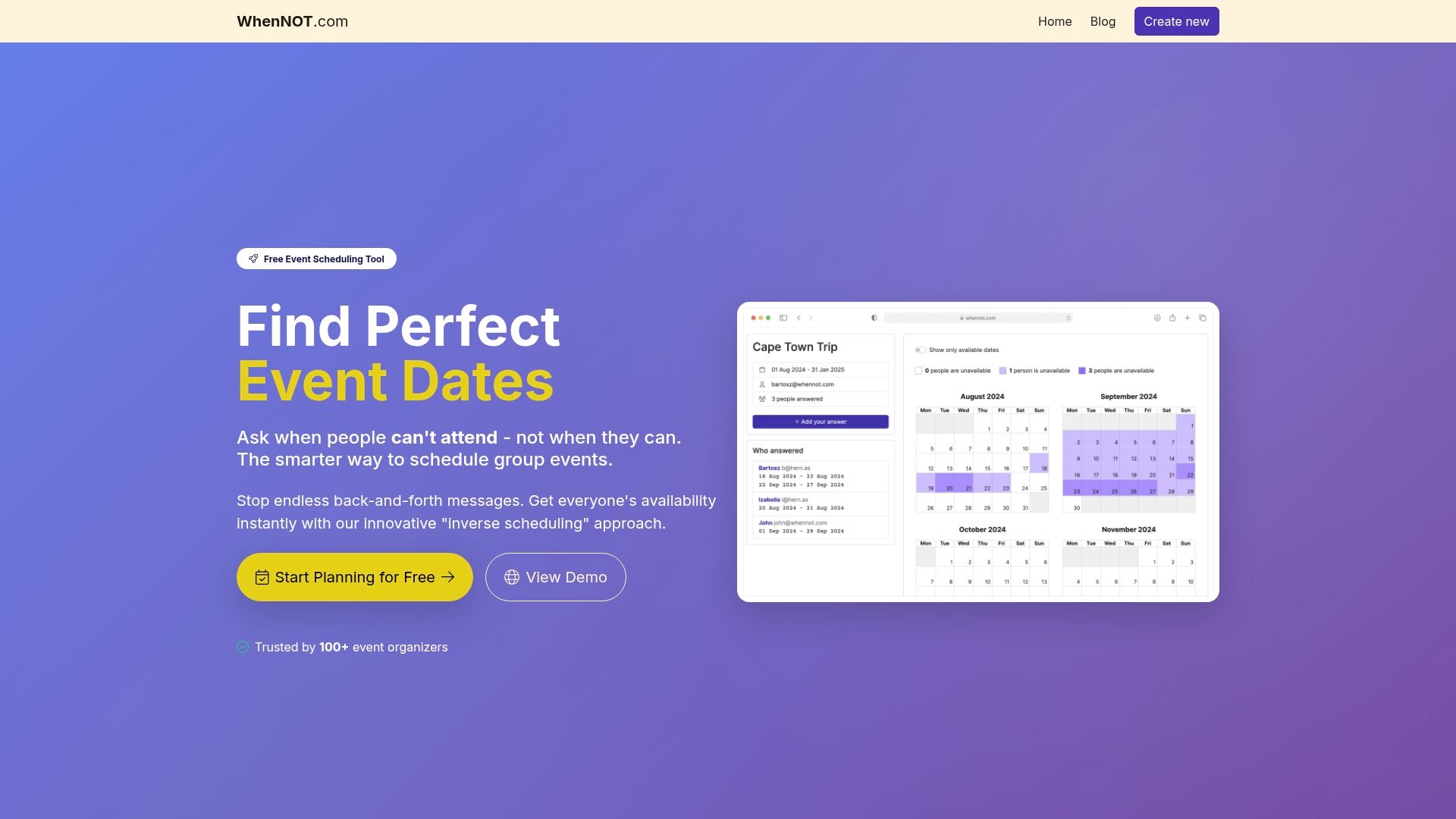
Take control of your retreat security by streamlining scheduling early in your planning process with WhenNOT. Our intuitive platform offers privacy-first features and effortless group coordination without requiring account signups, helping you focus on crucial security tasks like access control and interagency coordination discussed in the article. Save time, avoid bottlenecks, and gain confidence knowing your event timeline supports smooth participant flow and effective risk management. Visit WhenNOT now to get started and experience how smart scheduling powers safer retreats today.
Frequently Asked Questions
What is event security in the context of planning a retreat?
Event security involves a comprehensive approach to identifying and mitigating risks, protecting attendees, and managing emergencies throughout the duration of the retreat.
Why is clear role definition important for event security?
Clear role definition is crucial because it ensures that everyone involved in the retreat knows their responsibilities and whom to report to, which helps prevent problems from escalating due to a lack of ownership.
How can I assess potential risks for my corporate retreat?
Conduct a formal risk assessment that identifies potential hazards related to weather, transportation, facility conditions, medical emergencies, and data privacy, documenting how you will address them.
What are some common mistakes to avoid in retreat security planning?
Common mistakes include underestimating attendance, failing to establish communication channels, ignoring weather risks, neglecting to assign explicit roles, and insufficient interagency coordination.