What Is a Block Party and Why Are They Making a Comeback
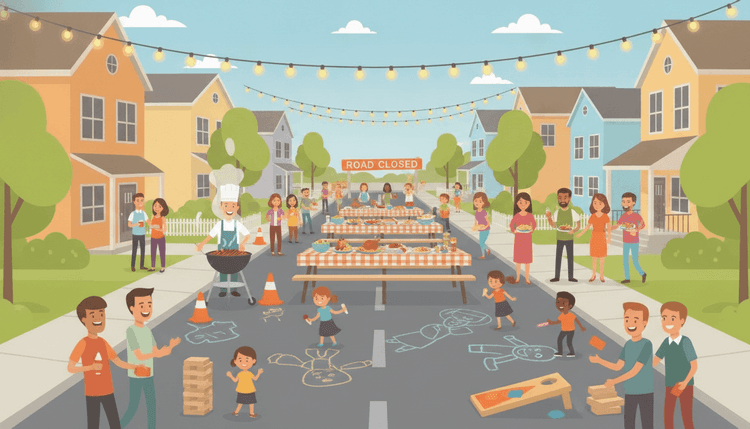
A block party is a neighborhood celebration where residents close off a street and gather for food, music, and fun. Block parties are surging in popularity in 2026 because people crave real, face-to-face connections with the folks who live around them.
After years of remote work and screen time, neighbors want to step outside and actually meet each other. Block parties create that opportunity without the pressure of a formal event. They are casual, inclusive, and open to everyone on the street.
Community studies show that neighborhoods with regular social events report lower crime rates, stronger mutual aid networks, and higher overall happiness. A well-planned block party can turn strangers into friends in a single afternoon.
Whether you live on a quiet cul-de-sac or a busy city block, planning a block party is easier than you think. This guide walks you through every step, from permits to promotion, so you can host a neighborhood event that people talk about for years.
Step 1: Get Permits and Check Local Rules
Before you start planning food and entertainment, you need to handle the logistics. Most cities and towns require a street closure permit for block parties, and the rules vary depending on where you live.
Start by contacting your city or town hall. Ask about:
- Street closure permits and their deadlines (many require 30 to 60 days advance notice)
- Noise ordinances that set volume limits or cutoff times
- Insurance requirements for public gatherings
- Alcohol regulations if you plan to serve beer or wine
- Fire department rules for grills, bounce houses, or tents
Some municipalities have a simple online form. Others require you to collect signatures from a percentage of residents on your block. Get this step done first because permit processing times can take weeks.
Pro tip: many cities waive permit fees for neighborhood events. Ask about fee waivers or community grants that can help cover costs. Check your homeowners association rules too, since some HOAs have their own event policies.
Step 2: Pick the Perfect Date for Your Street
Finding a date that works for most of your neighbors is one of the trickiest parts of block party planning. Summer weekends fill up fast with vacations, sports leagues, and family plans.
Here are a few timing tips:
- Saturdays tend to work better than Sundays for longer events
- Late morning to early evening (11 AM to 6 PM) gives you the most flexibility
- Avoid holiday weekends when many families travel
- Check the local events calendar so you do not compete with a town festival or parade
- Consider weather patterns for your region and have a rain date ready
The biggest challenge is coordinating schedules across dozens of households. Email chains and group texts get messy fast.
WhenNOT makes this simple. Create a quick poll, share the link with your neighbors, and let everyone mark the dates that do not work for them. WhenNOT automatically finds the windows where the most people are available. No more back-and-forth messages or spreadsheet tracking.
This approach works especially well for block parties because you are coordinating with people who may not all be in the same group chat or email list. Just share the poll link on a flyer, in a neighborhood app, or door to door.
Step 3: Plan Entertainment and Activities
Great entertainment turns a good block party into an unforgettable one. Plan a mix of activities that appeal to different ages and interests so everyone has something to enjoy.
Music and Games
Music sets the mood for the entire event. You have several options depending on your budget:
- Bluetooth speaker playlist is the most budget-friendly option. Create a collaborative playlist and let neighbors add their favorite songs
- Local band or DJ adds live energy. Many local musicians play neighborhood events for reasonable rates
- Open mic or karaoke station gets people involved and creates hilarious moments
For games, think about activities that encourage mingling:
- Cornhole tournament with brackets and silly prizes
- Giant Jenga, Connect Four, or lawn chess for casual play
- Tug of war between different sides of the street
- Water balloon toss or slip-and-slide for hot summer days
- Trivia contest with questions about your neighborhood history
Check out more social event ideas and fun activities for groups to keep the energy going all day.
Kids Activities
Kids are the heart of any block party. Set up a dedicated area where children can play safely while parents socialize nearby.
Popular kids activities include:
- Sidewalk chalk art contest with simple prizes for all participants
- Face painting station (recruit a talented teen or hire a face painter)
- Bubble station with giant bubble wands
- Scavenger hunt around the block with age-appropriate clues
- Bike decorating contest where kids deck out their bikes, scooters, or wagons
- Bounce house or inflatable (check your permit and insurance requirements first)
Assign a few parent volunteers to supervise the kids zone so everyone gets a break.
Step 4: Organize Food and Drinks
Food is what brings people together and keeps them at the party. You have three main approaches, and you can mix and match.
Potluck style is the most common and affordable option. Each household brings a dish to share. Use a sign-up sheet to avoid ending up with twelve pasta salads. Organize by category: mains, sides, desserts, and drinks.
Planning a potluck for a large group takes some coordination. A potluck scheduling and sign-up guide can help you organize who brings what without the chaos.
Grill masters are another popular option. Set up one or two grill stations and ask experienced grillers to volunteer. Collect a small contribution from each household to cover meat, buns, and condiments.
Food trucks take the cooking pressure off entirely. Many food trucks offer block party packages. Book one or two trucks that serve different types of food so there is variety.
For drinks, set up a central beverage station with:
- Ice chests with water, soda, and juice for kids
- A cooler for beer and wine (if permitted)
- A lemonade or iced tea dispenser
- Clearly labeled non-alcoholic options
Remember to accommodate dietary restrictions. Label dishes with common allergens and make sure there are vegetarian, vegan, and gluten-free options available.
Step 5: Promote Your Block Party
Even on a single block, promotion matters. You want maximum turnout, and people need enough notice to save the date.
4 to 6 weeks before:
- Knock on doors and introduce yourself if you do not already know your neighbors
- Post in your neighborhood app or community Facebook group
- Send an email to your block's contact list if one exists
2 to 3 weeks before:
- Distribute printed flyers to every household on the block
- Include the date, time, location, rain date, and what to bring
- Add a QR code linking to the WhenNOT poll or a sign-up sheet
1 week before:
- Send a reminder via text, email, or door hangers
- Confirm volunteer assignments and food contributions
- Post a countdown on social media
Day of:
- Put up signs at both ends of the block
- Set up early and create a welcoming entrance area
- Play music to signal that the party has started
A solid event planning timeline keeps you on track and makes sure nothing falls through the cracks.
Block Party Planning Checklist
Use this timeline checklist to stay organized from start to finish. Print it out or save it on your phone so you can check off items as you go.
| Task | Timeline | Details |
|---|---|---|
| Research local permit requirements | 8+ weeks before | Contact city hall, check HOA rules, ask about fee waivers |
| Apply for street closure permit | 6-8 weeks before | Submit application with required signatures or forms |
| Pick the date | 6 weeks before | Use WhenNOT to poll neighbors for availability |
| Form a planning committee | 5-6 weeks before | Recruit 3-5 volunteers to share responsibilities |
| Set a budget and collect contributions | 5 weeks before | Decide on per-household contribution or potluck model |
| Book entertainment | 4-5 weeks before | Hire a band, DJ, or plan a playlist and game lineup |
| Organize food plan | 4 weeks before | Set up potluck sign-ups, book food trucks, or assign grill duties |
| Distribute flyers and promote | 3-4 weeks before | Door-to-door flyers, neighborhood apps, email lists |
| Rent equipment | 2-3 weeks before | Tables, chairs, tents, bounce house, speakers |
| Confirm volunteers and assignments | 2 weeks before | Setup crew, grill masters, kids zone supervisors |
| Send final reminder | 2-3 days before | Text, email, or door hangers with last-minute details |
| Set up and host the party | Day of | Arrive early, set up stations, welcome neighbors |
| Clean up and thank volunteers | Day after | Organize cleanup crew, send thank-you notes |
For more creative group event planning ideas, check out our full guide.
FAQ
How much does it cost to throw a block party?
A basic block party can cost as little as $100 to $300 if you go potluck style and use free entertainment like a playlist and lawn games. Bigger events with food trucks, a DJ, and rentals can run $500 to $2,000 or more. Split costs across participating households to keep it affordable for everyone. Many cities offer community grants that cover permit fees and basic supplies.
Do I need a permit for a block party?
In most cities and towns, yes. Street closure permits are required whenever you block vehicle traffic. Some smaller towns or private streets may not require one. Always check with your local government at least 6 to 8 weeks before your planned date. Permit requirements vary widely, so do not assume your city works the same as the next one.
How do I get my neighbors to participate?
Start by talking to people face to face. Knock on doors, introduce yourself, and explain what you are planning. Personal invitations get a much better response than flyers alone. Ask neighbors what activities or food they would enjoy. When people feel included in the planning process, they are far more likely to show up and contribute.
What is the best time of year for a block party?
Late spring through early fall (May to September) is the sweet spot in most regions. You want warm weather, longer daylight hours, and school breaks that free up families. Saturday afternoons work best for most people. Avoid scheduling during major holiday weekends like Memorial Day or Labor Day when many families travel.
How do I handle noise complaints during a block party?
Invite the entire block, including the neighbors who might complain. Most noise issues come from people who feel excluded. Set clear start and end times, keep music at reasonable volumes, and wind things down by early evening. Check your local noise ordinance for specific decibel limits and quiet hours. A friendly heads-up to adjacent blocks goes a long way.
What should I do if it rains on block party day?
Always have a rain date planned and communicate it in advance on your flyers and invitations. If rain is light, pop-up tents and canopies can save the day. For heavy storms, move the party to a community center, church hall, or large garage. Some neighborhoods split the event between multiple driveways and garages for a "block crawl" format that works even in bad weather.
How many people do I need on the planning committee?
Three to five committed volunteers is the sweet spot. Assign clear roles: permits and logistics, food coordination, entertainment and activities, promotion, and setup and cleanup. Too few people leads to burnout. Too many leads to confusion. Use a shared document or group chat to keep everyone aligned on tasks and deadlines.
Ready to schedule your next group event without the headache? Find the perfect dates in minutes with WhenNOT.