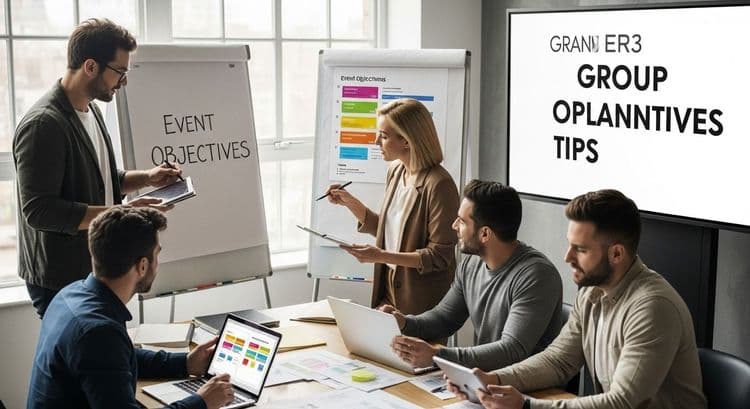
Planning a group event takes more than just booking a venue and sending invites. Nearly 70 percent of professionals say unclear objectives are the main reason events fall flat. Surprisingly, the biggest breakthroughs in group event planning come from small tweaks to communication and feedback that most teams ignore completely.
Table of Contents
- Step 1: Define Your Event Objectives Clearly
- Step 2: Establish A Budget And Allocate Resources
- Step 3: Select An Appropriate Venue And Date
- Step 4: Coordinate Logistics And Activities
- Step 5: Communicate Details Effectively To Participants
- Step 6: Verify Event Success Through Feedback
Quick Summary
| Key Point | Explanation |
|---|---|
| 1. Define clear event objectives | Articulate specific, measurable goals to guide planning decisions and ensure alignment with your organization's broader objectives. |
| 2. Create a detailed budget | Inventory all potential expenses, involve stakeholders, and develop a financial roadmap that prioritizes spending based on event objectives. |
| 3. Choose the right venue and date | Select spaces that match your objectives, accommodate your group, and avoid scheduling conflicts for maximum participant engagement. |
| 4. Develop a thorough logistics plan | Outline a precise timeline, ensure robust communication, and prepare for technical requirements to facilitate smooth event execution. |
| 5. Collect participant feedback post-event | Use timely, structured surveys to assess event impact, focusing on original objectives to improve future gatherings effectively. |
Step 1: Define Your Event Objectives Clearly
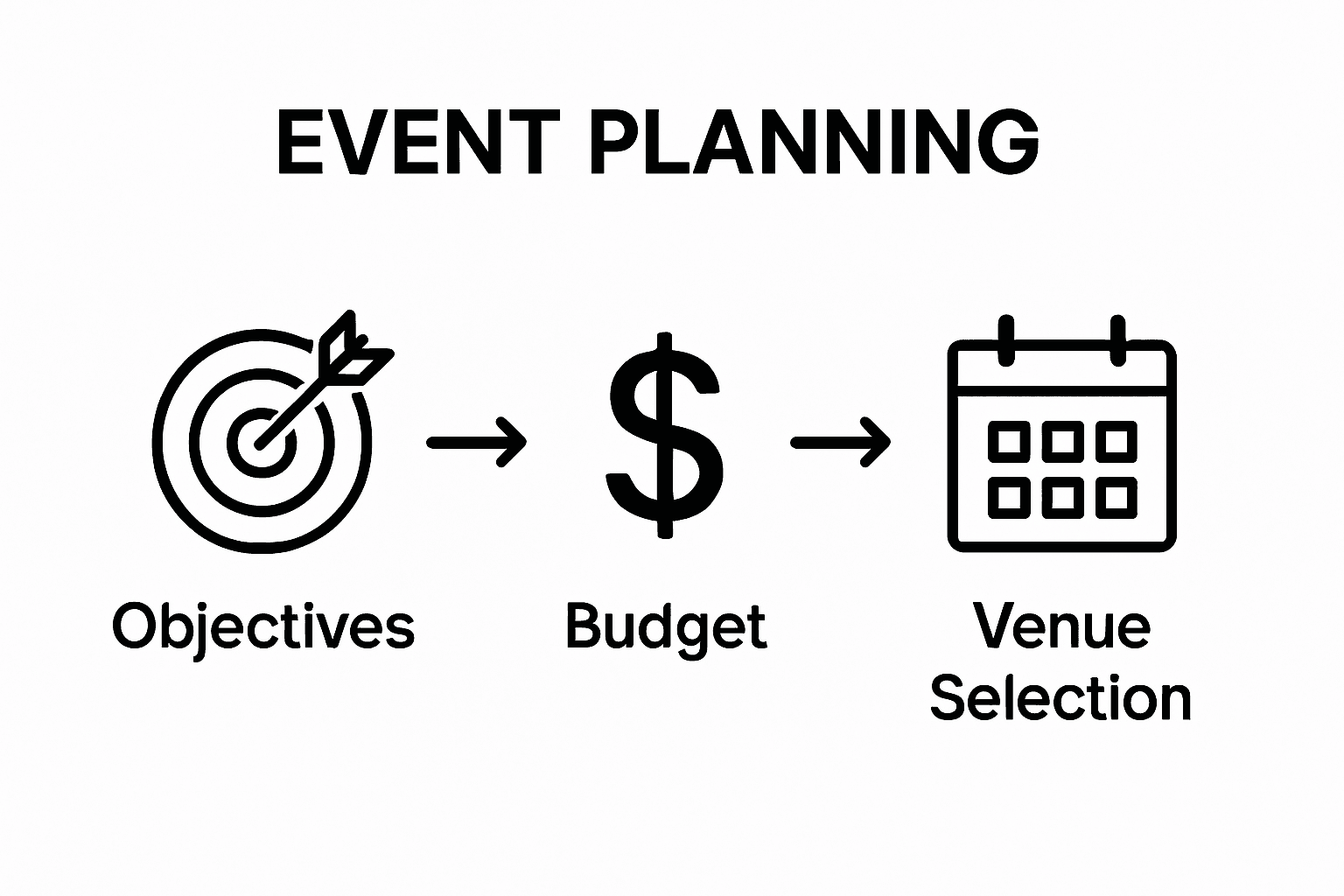
Successful group event planning starts with crystal clear objectives. Without a precise understanding of what you want to achieve, your event can quickly become a disorganized and ineffective experience. Defining your event objectives provides a strategic roadmap that guides every subsequent planning decision.
Begin by conducting a focused brainstorming session to articulate the core purpose of your event. Are you bringing people together for team building, celebrating a milestone, generating professional networking opportunities, or creating a meaningful shared experience? Your objectives must be specific, measurable, and aligned with the broader goals of your group or organization.
According to UCLA Event Planning Guidelines, establishing clear goals helps ensure that your event delivers tangible value. Ask yourself key questions: What outcomes are most important? What specific results do you want participants to experience? How will you measure success?
Consider creating a priority matrix that ranks your objectives by importance and feasibility. This approach helps you concentrate on the most critical goals while understanding potential constraints. For instance, a corporate team retreat might prioritize objectives like improving interdepartmental communication, boosting morale, and introducing strategic planning initiatives.
Document your objectives using the SMART framework: Specific, Measurable, Achievable, Relevant, and Time-bound. This methodology transforms vague aspirations into concrete targets. Instead of saying "we want to have a good team event," define a precise objective like "increase cross-team collaboration by facilitating 3 structured interaction sessions during our two-day retreat."
Remember that your objectives will directly influence every subsequent planning decision. From venue selection and agenda design to activity choices and budget allocation, these initial objectives serve as your strategic compass. Take time to discuss and refine them with key stakeholders to ensure collective alignment and commitment.
By the end of this step, you should have a clear, written document outlining your event's primary objectives, potential measurement metrics, and expected outcomes.
Below is a checklist table summarizing key verification and planning steps to ensure nothing is overlooked during group event planning.
| Task | Purpose | When to Complete |
|---|---|---|
| Define event objectives | Establish clear goals and outcomes | Initial planning |
| Develop detailed budget | Track expenses and allocate resources effectively | Early planning |
| Confirm venue and date | Ensure alignment with objectives and participant schedules | Early planning |
| Create logistics timeline | Structure event flow and team responsibilities | Mid planning |
| Communicate details | Inform participants and set expectations | Pre-event |
| Collect participant feedback | Assess event impact and areas for improvement | Post-event |
Step 2: Establish a Budget and Allocate Resources
Budget planning transforms your event objectives from abstract ideas into concrete financial realities. An effective budget serves as a strategic blueprint that balances your vision with fiscal responsibility. Without careful financial planning, even the most exciting group event can quickly become overwhelmed by unexpected expenses and financial strain.
Start by conducting a comprehensive inventory of potential expenses. Group event costs typically encompass more than just direct expenditures. Consider venue rental, catering, transportation, equipment, speaker or entertainment fees, marketing materials, technology requirements, and contingency funds. Financial transparency is crucial at this stage, so involve key stakeholders in the budgeting process to ensure everyone understands potential financial constraints and opportunities.
According to University of Washington's Event Planning Resources, creating a detailed budget worksheet helps track every potential expense. Break down your budget into clear categories with estimated costs. For larger events, consider creating a spreadsheet that allows real-time tracking of projected versus actual expenses. This approach prevents financial surprises and enables quick adjustments as planning progresses.
Prioritize your spending by aligning financial allocations directly with your event objectives. If team building is your primary goal, invest more resources in interactive activities and professional facilitation. If networking is paramount, allocate funds toward creating comfortable interaction spaces and potentially engaging speakers or networking tools.
Develop a financial contingency plan that includes a buffer of 10-15% above your estimated total budget. Unexpected expenses are almost guaranteed in group event planning, whether it's last-minute technical requirements, additional catering needs, or unforeseen logistical challenges. This financial cushion provides flexibility and peace of mind.
Consider diverse funding strategies beyond a single funding source. This might involve participant contributions, organizational subsidies, sponsorships, or collaborative funding models. Each approach has unique advantages and potential limitations, so evaluate which method best suits your event's scale and objectives.
Here is a comparative table of different funding options mentioned in the article, outlining potential advantages and limitations for group event budgeting.
| Funding Strategy | Advantages | Potential Limitations |
|---|---|---|
| Participant contributions | Direct involvement, transparent | May limit participant accessibility |
| Organizational subsidies | Reduces individual cost burden | Depends on company budget/approval |
| Sponsorships | Additional resources, new exposure | May require marketing or promotional commitments |
| Collaborative funding | Shared responsibility, flexibility | Possible complexity in tracking contributions |
By the conclusion of this step, you should have a comprehensive, transparent budget document that clearly outlines anticipated expenses, funding sources, and financial contingencies. This roadmap will guide your subsequent planning decisions and ensure your group event remains financially sustainable and strategically aligned.
Step 3: Select an Appropriate Venue and Date
Selecting the right venue and date represents a critical junction in group event planning that can make or break your entire experience. This step requires careful consideration of multiple factors beyond simply finding an available space. Your venue and date selection will significantly impact participant engagement, logistical feasibility, and overall event success.
Begin by revisiting your event objectives and understanding the specific requirements they generate. Consider the size of your group, desired atmosphere, technical needs, and accessibility requirements. Physical space dynamics matter immensely. A cramped room can diminish interaction, while an oversized venue might create emotional distance between participants.
According to Ohio State University's Event Planning Guide, scheduling your event requires strategic thinking. Look beyond basic availability and evaluate potential conflicts with holidays, local events, travel seasons, and participant schedules. Securing your preferred venue early gives you maximum flexibility and reduces last-minute stress.
When evaluating potential venues, conduct thorough on-site assessments. Virtual tours can provide initial insights, but in-person visits reveal nuanced details about space functionality, ambiance, and potential logistical challenges. Check technical infrastructure like Wi-Fi reliability, electrical outlets, sound systems, and lighting. Confirm that the venue can accommodate your specific group event requirements, whether that involves breakout sessions, presentation spaces, or interactive zones.
Consider the psychological impact of your venue choice. Different spaces evoke different emotional responses. A corporate conference room might feel sterile and restrictive, while a creative coworking space or comfortable retreat center could foster more open communication and collaboration. Match your venue's atmosphere with your event's primary objectives.
Negotiate venue contracts carefully, paying close attention to cancellation policies, additional fees, and included amenities. Some venues offer package deals that include equipment, catering, or technical support. These comprehensive offerings can simplify planning and potentially reduce overall costs.
Create a backup plan for date and venue selection. Flexibility is key in group event planning. Have alternative dates and secondary venue options prepared in case of unexpected conflicts or availability issues. This proactive approach prevents potential planning derailments and demonstrates professional preparation.
By the end of this step, you should have a confirmed venue and date, a detailed contract, and a comprehensive understanding of the space's capabilities and limitations. Your selection should align seamlessly with your event objectives, budget constraints, and participant needs.
Step 4: Coordinate Logistics and Activities
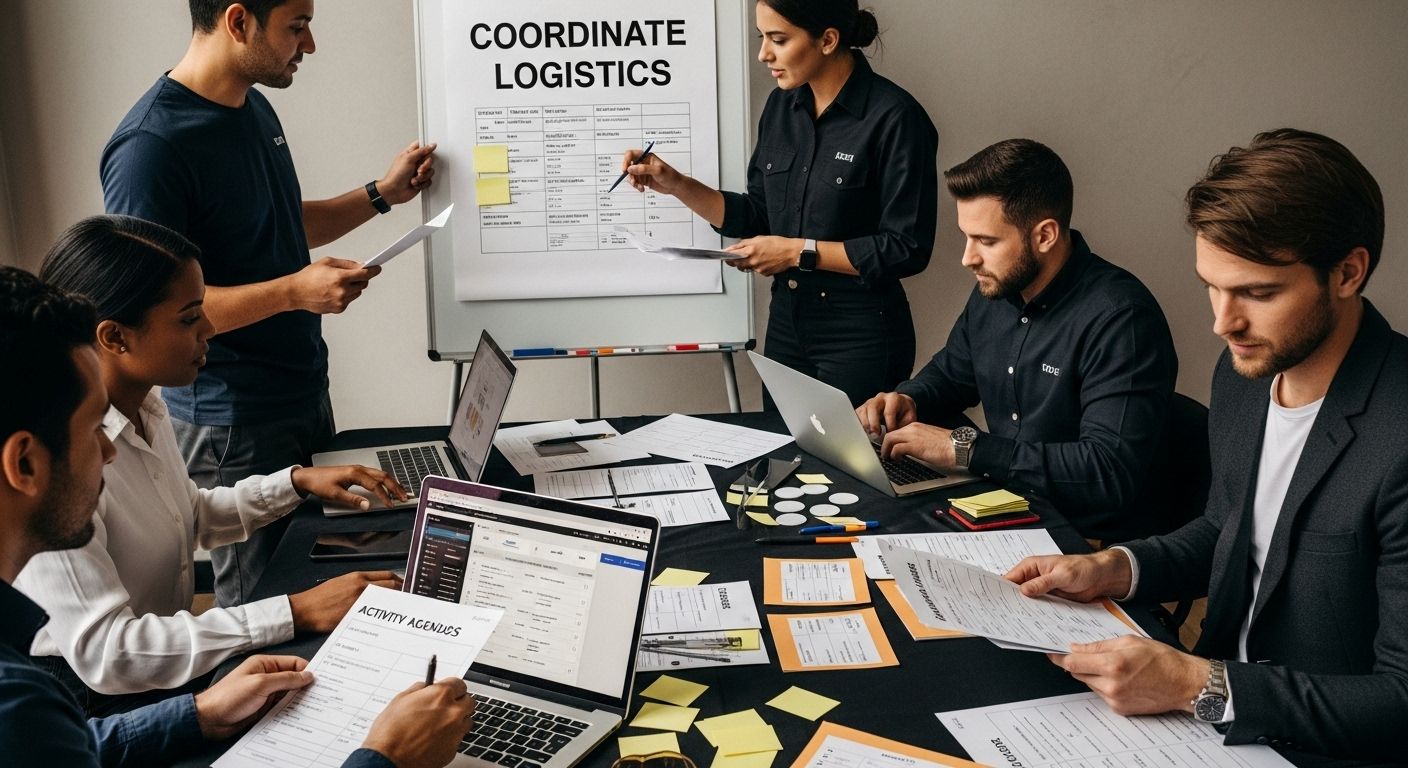
Logistics and activity coordination transform your event from a conceptual plan into a structured, engaging experience. This critical step involves meticulously orchestrating every detail to ensure smooth participant flow, meaningful interactions, and alignment with your original event objectives.
Begin by developing a comprehensive event timeline that breaks down each segment of your gathering. This blueprint should include precise start and end times for each activity, transition periods, breaks, and buffer moments that allow for unexpected delays or spontaneous interactions. Think of this timeline as a living document that provides structure while remaining flexible enough to accommodate real-world dynamics.
According to University of Nevada, Las Vegas Event Planning Guidelines, establishing a clear schedule is fundamental to event success. Map out not just formal activities but also crucial logistical elements like registration processes, meal times, transportation arrangements, and technical setup requirements. Consider creating a color-coded master schedule that helps different team members understand their specific responsibilities and timing.
Communication becomes your most powerful coordination tool. Develop a robust communication plan that ensures all participants, vendors, and support staff understand their roles and expectations. This might involve creating detailed briefing documents, hosting preparatory meetings, or utilizing digital collaboration platforms that allow real-time updates and information sharing.
Carefully design activities that directly support your event objectives while maintaining participant engagement. Variety is key - alternate between presentation-style segments, interactive workshops, networking opportunities, and reflective periods. Consider the energy flow of your event, understanding that participants have different attention spans and learning styles.
Technical preparation cannot be overlooked. Conduct thorough equipment checks, ensure robust internet connectivity, test audio-visual systems, and have backup plans for potential technological failures. Designate specific team members to manage technical aspects, allowing presenters and facilitators to focus on content delivery.
Develop contingency plans for potential disruptions. This includes having backup speakers, alternative activity options, and protocols for managing unexpected challenges. Resilient event planning anticipates potential issues and creates flexible response strategies.
By the conclusion of this step, you should have a detailed, dynamic coordination plan that provides clear guidance while maintaining the adaptability necessary for successful group events. Your logistics strategy should feel like a well-choreographed dance - structured yet spontaneous, professional yet engaging.
Step 5: Communicate Details Effectively to Participants
Effective communication transforms group event planning from a logistical exercise into a collaborative journey. Your communication strategy serves as the crucial bridge connecting your meticulously crafted plans with participant understanding, engagement, and enthusiasm.
First impressions matter immensely in participant communication. Develop a comprehensive information package that provides crystal clear details about the event. This package should include precise logistics such as date, time, location, dress code, required materials, and any preparatory steps participants need to take. Transparency eliminates confusion and demonstrates professional organization.
According to Amrita Vishwa Vidyapeetham's Communication Strategies, successful event communication requires understanding your audience's specific needs and communication preferences. Some participants might prefer detailed email communications, while others respond better to concise text messages or collaborative digital platforms. Consider creating multiple communication channels to accommodate different communication styles.
Utilize digital tools that simplify information sharing and participant coordination. Platforms like shared calendars, group messaging apps, or dedicated event websites can provide real-time updates and create interactive spaces for questions and discussions. Centralize your communication to prevent information fragmentation and ensure all participants receive consistent messaging.
Establish a clear communication timeline that provides information in strategic stages. Initial communications should focus on high-level event details and generate excitement. Follow-up messages can progressively include more specific logistical information. Send reminder communications at strategic intervals to maintain participant engagement and provide last-minute critical information.
Anticipate and proactively address potential participant questions. Create a comprehensive FAQ document that covers common queries about transportation, accommodations, scheduling, and event expectations. This approach demonstrates thoroughness and reduces individual inquiry volume, saving administrative time.
Encourage two-way communication by creating accessible channels for participant feedback and questions. This might involve setting up a dedicated email address, scheduling informal pre-event Q&A sessions, or establishing a digital forum where participants can interact and share information.
By the conclusion of this step, you should have a multifaceted communication strategy that provides clear, consistent, and engaging information. Your approach should make participants feel informed, valued, and excited about the upcoming group event.
Step 6: Verify Event Success Through Feedback
Post-event evaluation transforms a one-time gathering into a strategic learning experience. Feedback collection is not merely an administrative task but a critical process of understanding your event's true impact, identifying strengths, and uncovering opportunities for future improvement.
Timing is crucial in feedback collection. Design your feedback mechanism to capture participants' impressions while their experience remains fresh. Ideally, distribute evaluation surveys within 24-48 hours after the event concludes. This window represents the sweet spot when participants can provide detailed, nuanced insights before memories begin to fade.
According to University of Reading's Event Evaluation Guidelines, comprehensive event assessment requires a multifaceted approach. Develop a structured feedback mechanism that captures both quantitative and qualitative data. Quantitative questions using numerical rating scales help generate measurable insights, while open-ended qualitative questions provide rich, contextual understanding of participant experiences.
Create a feedback survey that directly correlates with your original event objectives. If team building was your primary goal, ask specific questions about perceived team dynamics, communication improvements, and individual learning experiences. Structure your questions to move from broad overall impressions to more specific, granular feedback about particular event elements.
Diversify your feedback collection methods to capture comprehensive perspectives. While digital surveys are efficient, consider supplementing them with alternative approaches like brief in-person debriefs, follow-up focus groups, or one-on-one conversations with key participants. Each method reveals different layers of insight, providing a more holistic understanding of your event's impact.
Encourage honest, constructive feedback by ensuring anonymity and demonstrating that participant input genuinely matters. Communicate how previous feedback has influenced event improvements, creating a culture of transparent, collaborative development. This approach not only improves future events but also makes participants feel valued and heard.
Analyze feedback systematically, looking for patterns, consistent themes, and actionable insights. Create a structured review process that involves key stakeholders in interpreting results. Look beyond surface-level comments to understand underlying motivations, expectations, and potential areas of transformation.
By the conclusion of this step, you should have a comprehensive feedback report that objectively assesses your event's success. This document serves as a powerful tool for continuous improvement, providing clear guidance for future group event planning strategies.
Solve Group Scheduling Conflicts Effortlessly with WhenNOT
Struggling with endless email chains and confusion over everyone’s availability? As you discovered in “Essential Group Event Planning Tips for 2025 Success,” even the most carefully defined objectives and thorough planning can be derailed by the time-consuming challenge of scheduling. Whether you need the right date for a corporate retreat, family reunion, or team-building event, finding consensus on a date should not slow you down.
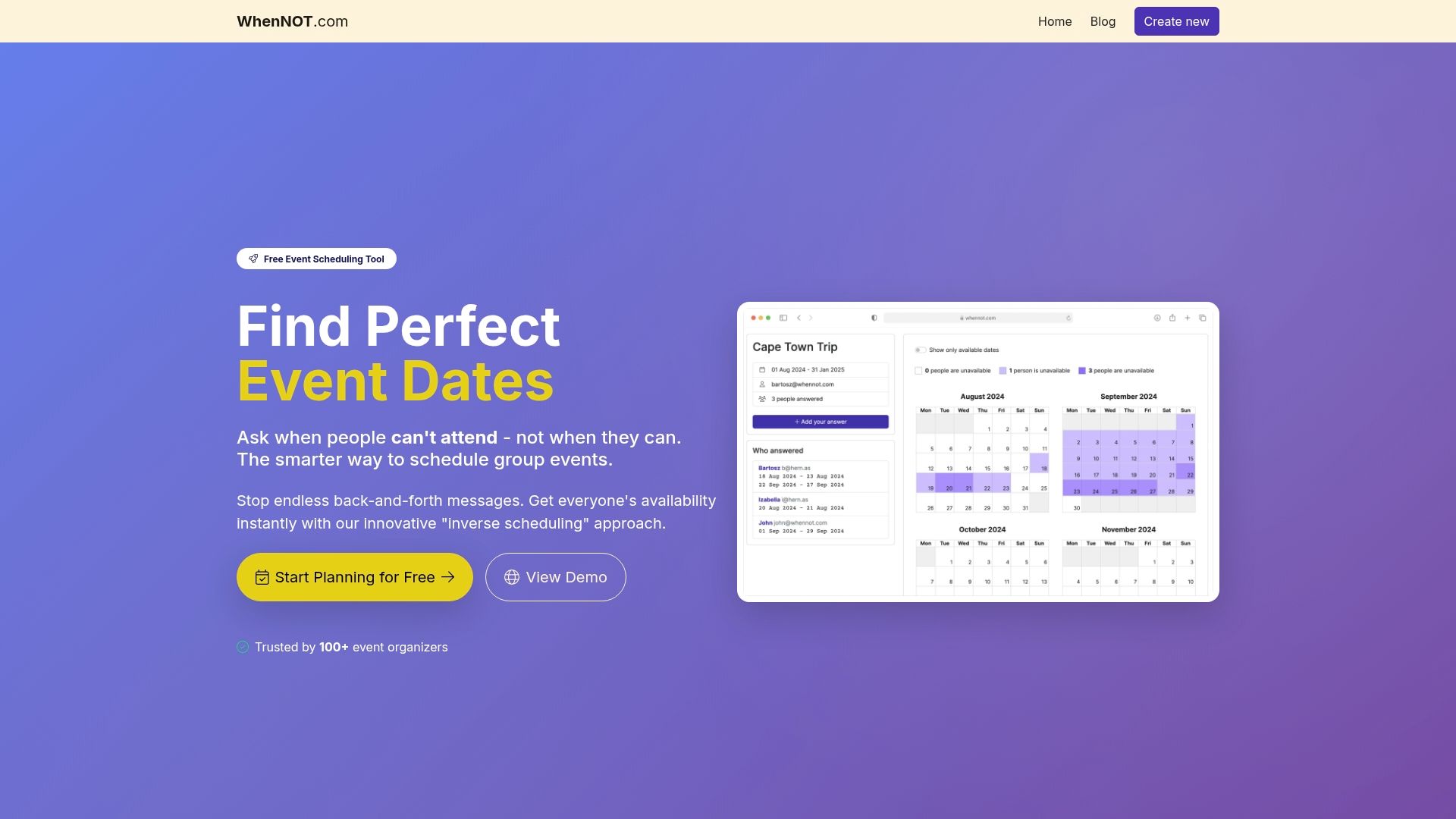
Stop letting group availability be the barrier to event success. Make scheduling the simplest step by using WhenNOT, the free online platform designed for organizers like you who value speed and ease of use. Share your event link in seconds, visualize everyone’s busy days instantly, and secure the best date—no sign-ups or privacy concerns. Visit https://whennot.com today and remove the biggest obstacle from your event planning now.
Frequently Asked Questions
What are the first steps to take in group event planning?
Start by clearly defining your event objectives. Understand the core purpose of your event and discuss it with key stakeholders to ensure alignment and commitment.
How do I establish a budget for my event?
Begin by creating a detailed budget worksheet that includes all potential expenses such as venue rental, catering, and logistics. Include a financial contingency plan to cover unexpected costs.
What factors should I consider when selecting a venue for my event?
Consider the size of your group, desired atmosphere, technical needs, and accessibility. Conduct on-site assessments to understand the functionality and limitations of each venue.
How can I effectively communicate event details to participants?
Develop a comprehensive information package and utilize multiple communication channels to accommodate different preferences. Create a timeline for communication to keep participants engaged with consistent updates.